
December 17, 2025
Clear View Bar
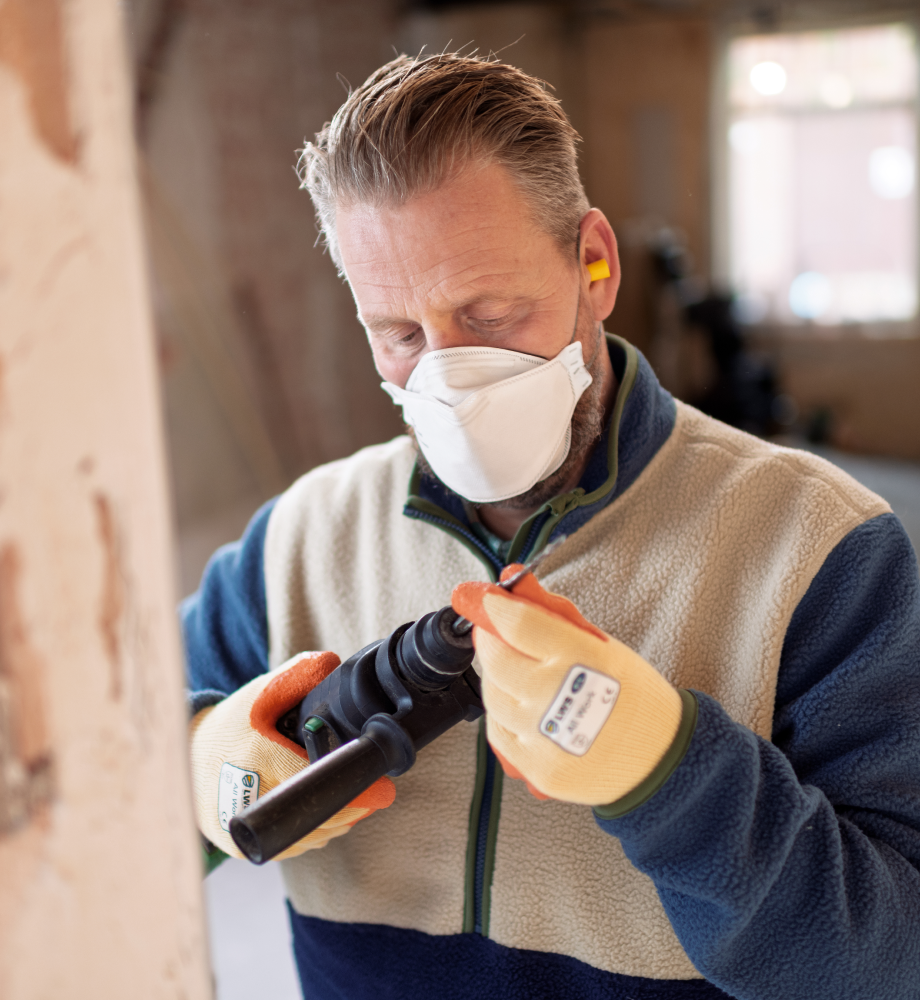
Better visibility, greater comfort: Why modern respiratory masks make the difference
Anyone who wears a respiratory mask in everyday life or at work is familiar with the typical challenges: a restricted field of vision, uncomfortable pressure on the face, or neck strain. Modern mask technologies show that it does not have to be this way. Two key innovations now deliver greater comfort, improved visibility, and a stronger sense of safety: an optimized viewing area and a flexible mask design.
Improved visibility for greater safety
One often underestimated factor when wearing a mask is the field of vision. If a mask obstructs the area around the cheeks or below the eyes, users can quickly lose awareness of their surroundings—especially when looking downward. An optimized viewing area helps eliminate this issue.
The benefit is clear: wearers can better perceive their environment, identify trip hazards more quickly, and work with greater precision. This is essential not only in healthcare settings, but anywhere attention and safety are critical—such as workshops, laboratories, or technical work environments.
Reduced strain on the neck and body
Constantly tilting the head downward to see past a mask places unnecessary strain on the neck. Over time, this can lead to tension and fatigue. Improved visibility allows the head to remain in a natural position, significantly reducing physical strain—an important advantage during long working days or extended shifts.
Better situational awareness in everyday work
A clearer field of vision also means better overall awareness. Movements of people, tools, or potential hazards are recognized more quickly, helping users stay alert and confident—whether in medical environments, industrial settings, or daily professional use.
Comfort that encourages consistent use
The more comfortable a mask feels, the more likely it is to be worn correctly and consistently. A good fit and high wearing comfort reduce the need for constant adjustments or removal, which is crucial for maintaining reliable protection.
A mask that moves with you
Another key factor is flexibility. When speaking, nodding, chewing, or turning the head, facial movements constantly change. A modern, flexible mask design adapts naturally to these movements without compromising the protective seal.
The seal remains stable while the mask moves with the wearer, providing a secure feeling without restriction.
Less pressure, less friction
By adapting to different face shapes, pressure points are minimized. The mask does not rub, slip, or cause discomfort, even after many hours of wear. This reduces fatigue and significantly improves long-term comfort—an essential benefit for anyone who relies on respiratory protection throughout an entire shift.
Our solutions: RP101 and RP201
With the RP101 (FFP1) and RP201 (FFP2) models, these requirements are consistently met.
- RP101 (FFP1) is ideal for lighter work environments and applications where comfort, clear visibility, and reliable basic protection are the main priorities. It is especially comfortable to wear and supports focused work over longer periods. (add link to product site)
- RP201 (FFP2) offers a higher level of protection for more demanding applications, without sacrificing comfort or freedom of movement. Thanks to the improved viewing area and flexible design, wearing comfort remains high—even during long periods of use. (add link to product site)
Both products combine clear visibility, a flexible fit, and high wearing comfort, helping users maintain correct and consistent use of respiratory protection in both everyday and professional settings.
Conclusion: Protection that adapts to the wearer
Modern respiratory masks offer far more than basic protection. They improve visibility, reduce physical strain, and adapt to the wearer’s movements. With solutions such as the RP101 (FFP1) and RP201 (FFP2), users benefit from masks that successfully combine safety and comfort—for reliable protection throughout the day.