
February 4, 2026
Construction & Remodel Safety Guide: Essential PPE for DIY Projects

Construction & Remodel Safety Guide: Essential PPE for DIY Projects
Approximately 90% of adults attempt home improvements on their own at least once in their lifetime. Some studies suggest that two out of three people have been injured while doing so. Common mishaps include hammering fingers, hitting heads on beams, and accidentally gluing fingers together.
Construction & Remodel DIY does not mean that you need professional construction knowledge, but that you roll up your sleeves, take the safety measures seriously and get to work yourself.
Let’s see how you can improve your home safely:
Painting walls, ceilings or furniture in a safe way
Painting is often seen as a very user-friendly activity. In fact, many homeowners choose to tackle this significant task on their own rather than hiring professional painters.
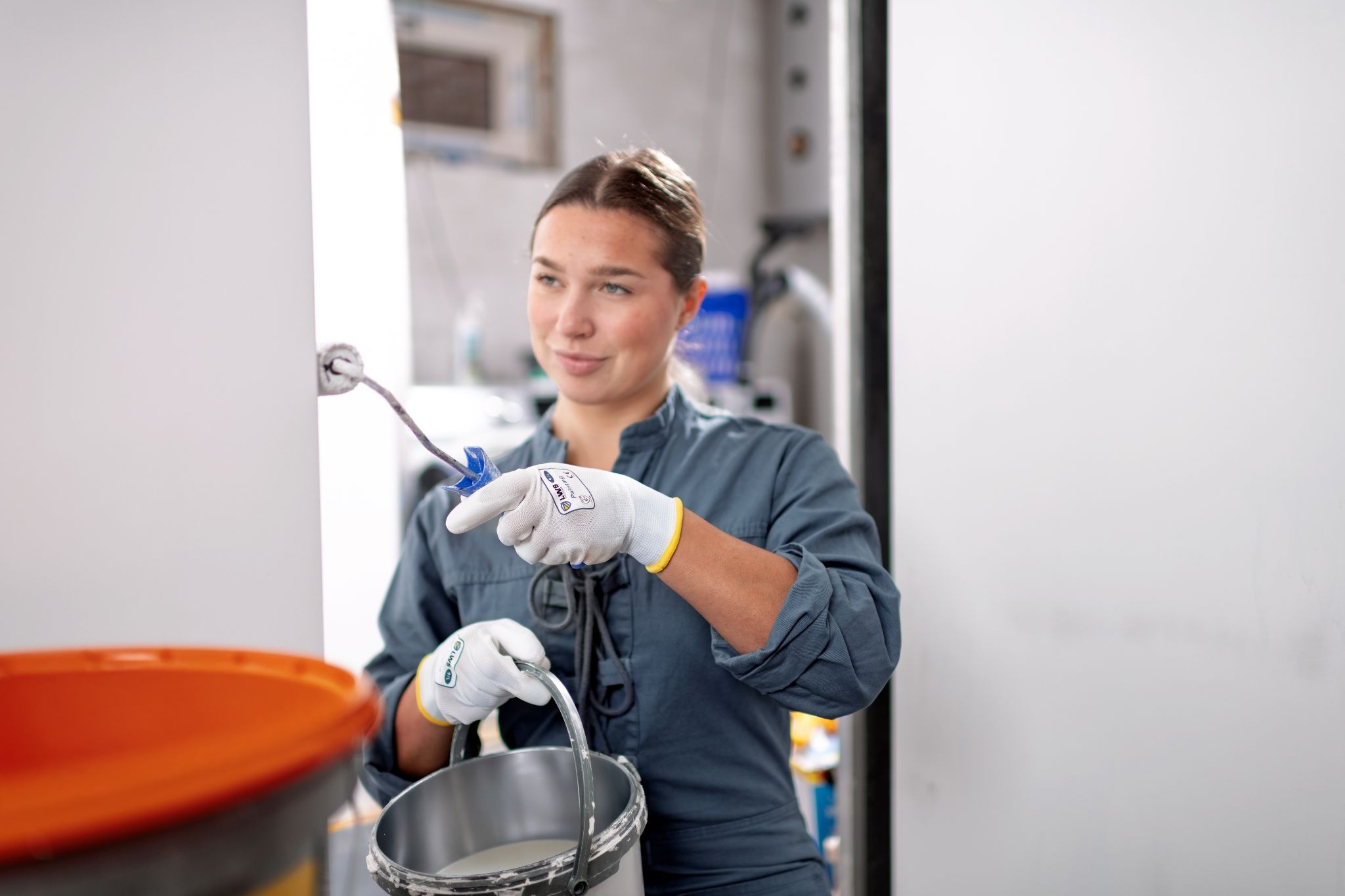
According to the National Capital Poison Center, exposure to paint fumes from solvent paints can cause dizziness, headaches, and nausea. These problems are most likely to occur when painting a room without respiratory protection and with poor ventilation.
Many painting supplies, such as solvents, cleaning products, and paint strippers, are toxic and can harm the human body, specifically the eyes. Be sure to invest in some simple items such as goggles, gloves, and masks when using chemicals that irritate your eyes, hands, or skin.
Ensure your safety first, then attend to the other tasks on your to-do list, such as using your ladders properly, protecting your furniture and floors, and securing your outlets.
- Wear safety goggles to protect your eyes from paint splatters, drips, fumes, or dust during sanding and application.
- Use a proper respirator (FFP2-RP201 for low-VOC paints or organic vapor cartridge respirator for solvent-based/high-VOC paints) to filter out fumes, mists, and dust, especially in poorly ventilated spaces.
- Put on chemical-resistant or disposable nitrile/latex gloves to shield hands and skin from paint, solvents, thinners, and irritants.
- Wear coveralls or old long-sleeved clothing (plus a painter's hat or cap) to protect skin and regular clothes from splatters, drips, and overspray.
- Add sturdy non-slip closed-toe shoes to prevent slips on wet paint or ladders, and consider knee pads for low-level work or floor painting to reduce strain and protect knees.
Did you know that LWS Health & Safety masks with ClearView Bar have 30% more visibility than any other mask in the market?
Carefully installing shelves, cupboards, and storage solutions
Assembling or installing shelves, cupboards, and similar furniture at home can be risky. Hazards include cuts from sharp edges or tools, eye injuries from flying debris, muscle strains from heavy lifting, inhaling dust during sanding, and tip-overs or collapses if the furniture is not properly secured. Using proper personal protective equipment (PPE) can help reduce these risks.
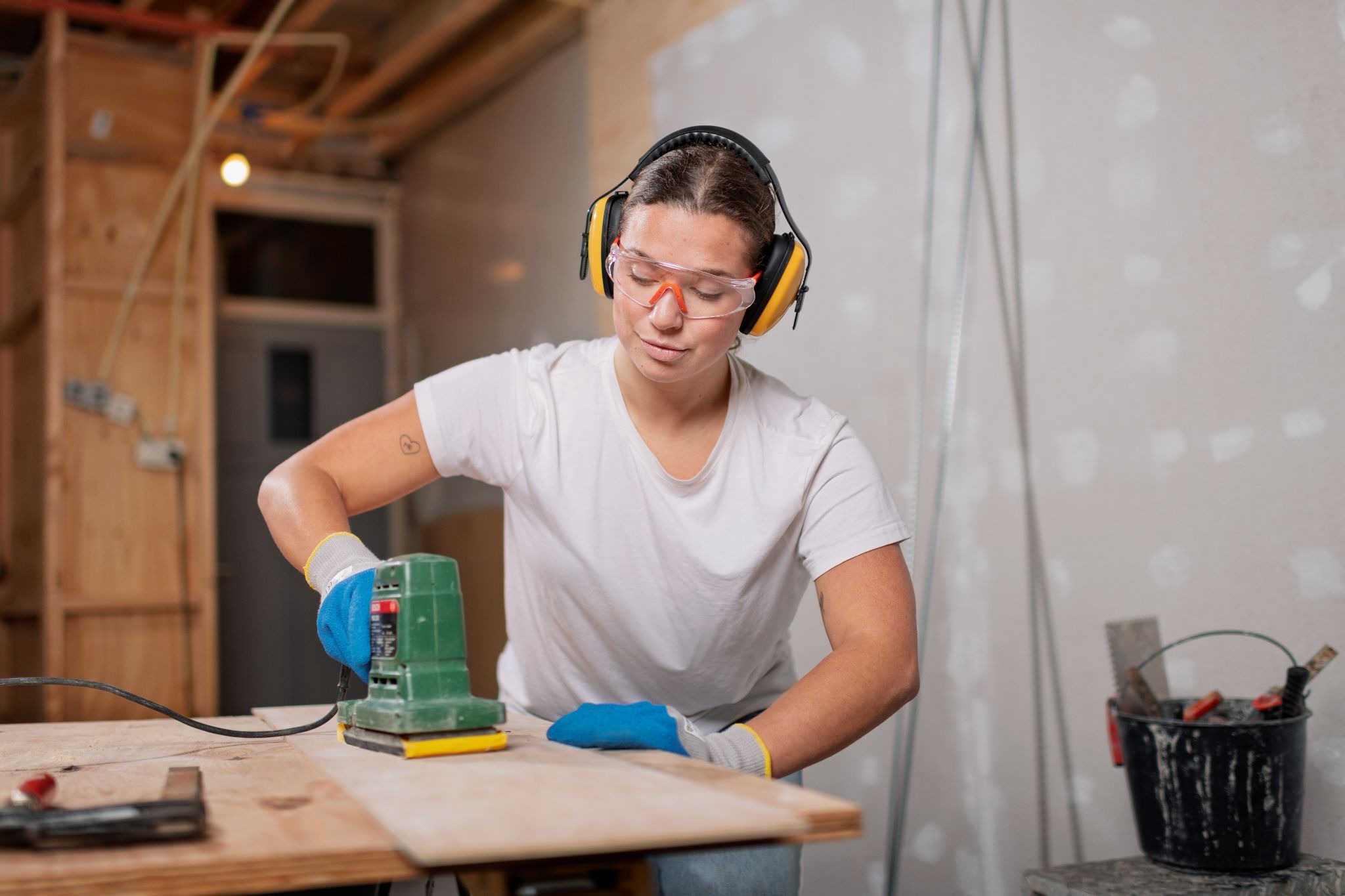
- Wear safety goggles to protect your eyes from flying particles or splinters when drilling, sawing, or hammering.
- Use cut-resistant or sturdy work gloves to shield hands from sharp edges, splinters, and abrasions while handling materials or tools.
- Put on a proper respirator to filter out wood dust and fumes, especially during sanding or applying finishes.
- Add earplugs or earmuffs for hearing protection if using loud power tools for extended periods, and wear sturdy closed-toe shoes to guard feet from dropped items.
Be sure to protect the floor, wall or surrounding furniture with carpet, blanket or shock-absorbing materials during assembly in order not to damage them. Assembly work should be done where there is enough space.
How to do simple flooring projects, such as laying laminate or vinyl
Simple flooring projects like laying laminate or vinyl involve risks such as cuts from sharp utility knives or saws during cutting, eye injuries from flying debris or dust, strains from kneeling or heavy lifting of materials, dust inhalation from cutting or sanding, slips on uneven subfloors or adhesives, and potential exposure to VOC fumes from glues or underlay. Using proper personal protective equipment (PPE) greatly reduces these hazards.
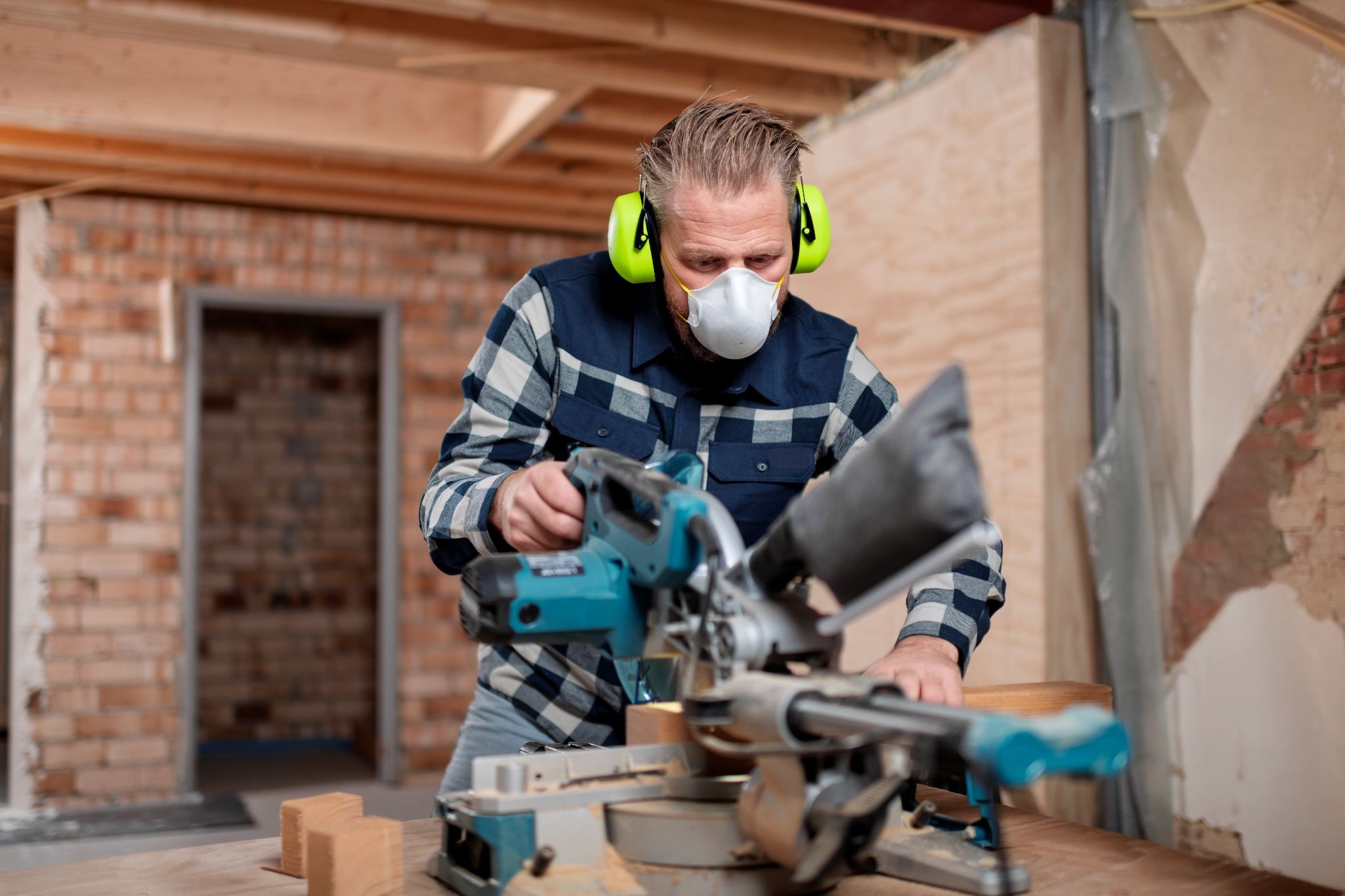
- Wear safety goggles to protect your eyes from flying particles, dust, or debris when cutting planks or using tools.
- Use sturdy work gloves to shield hands from sharp edges on laminate/vinyl planks, tools, or adhesives.
- Put on a respirator to filter out fine dust from cutting and any VOC fumes from adhesives, ensuring good ventilation.
- Add knee pads for comfort and protection during prolonged floor work, and sturdy closed-toe shoes to prevent foot injuries from dropped tools or materials.
Minor plumbing work, e.g. replacing taps or shower heads
Minor plumbing work, such as replacing taps or shower heads, carries risks like cuts from sharp tools or pipe edges, slips on wet floors, strains from awkward positions or heavy lifting, exposure to water pressure causing bursts or sprays, and potential scalding from hot water residues. Using proper personal protective equipment (PPE) greatly reduces these hazards.
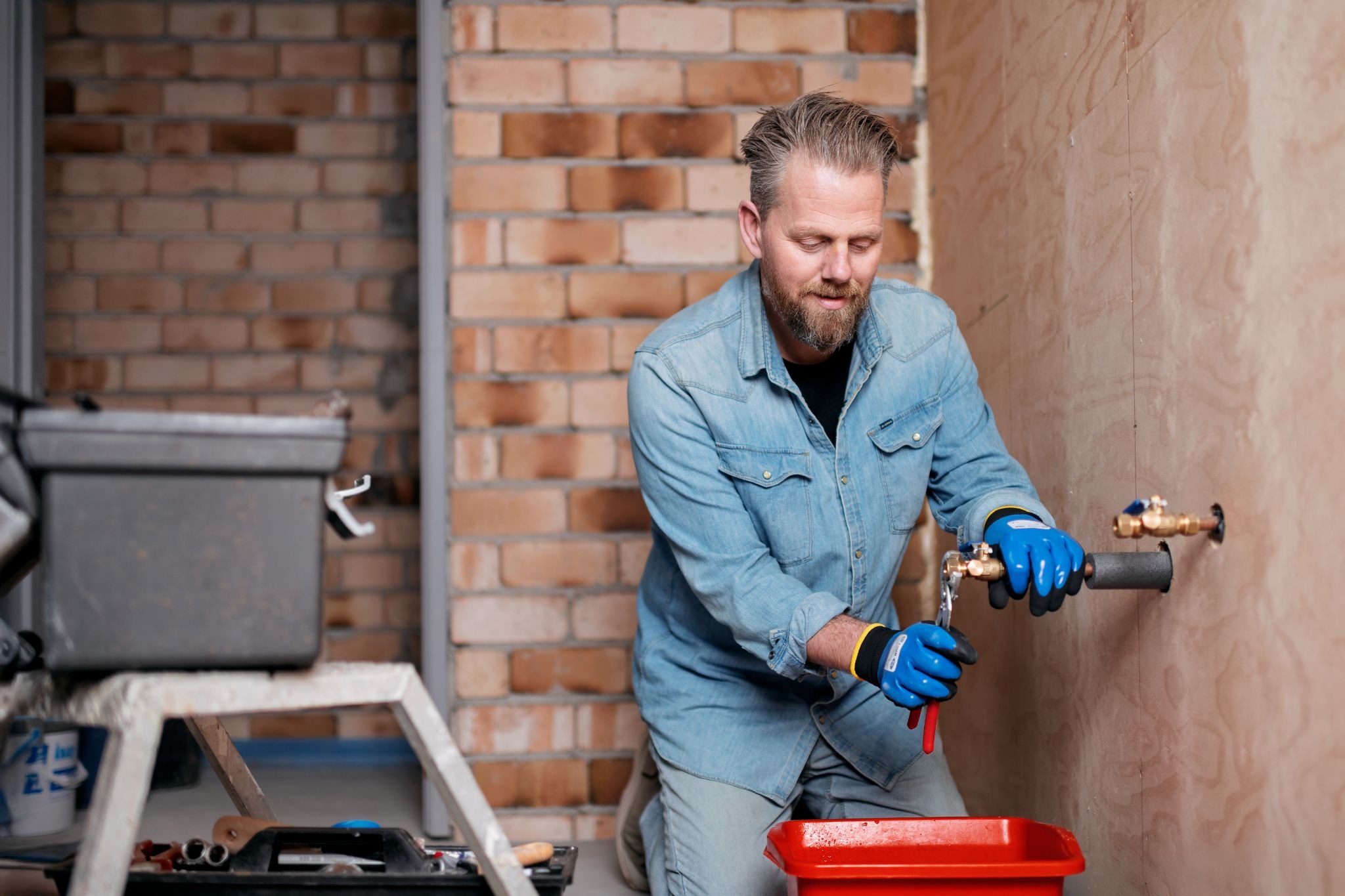
- Wear safety goggles to protect your eyes from debris, water sprays, or metal particles when loosening fittings.
- Use sturdy work gloves to guard hands against sharp edges, rusty parts, or slips while turning wrenches.
- Wear non-slip sturdy footwear to prevent slips on wet surfaces, and consider long sleeves for skin protection from minor scrapes or water.
Basic electrical work such as replacing sockets, switches, or lights
Basic electrical work like replacing sockets, switches, or lights involves serious risks such as electric shock or electrocution from live wires, burns from sparks, eye injuries from debris, and fire hazards from improper connections. Using proper personal protective equipment (PPE) greatly reduces these hazards (though always turn off power at thees breaker first).
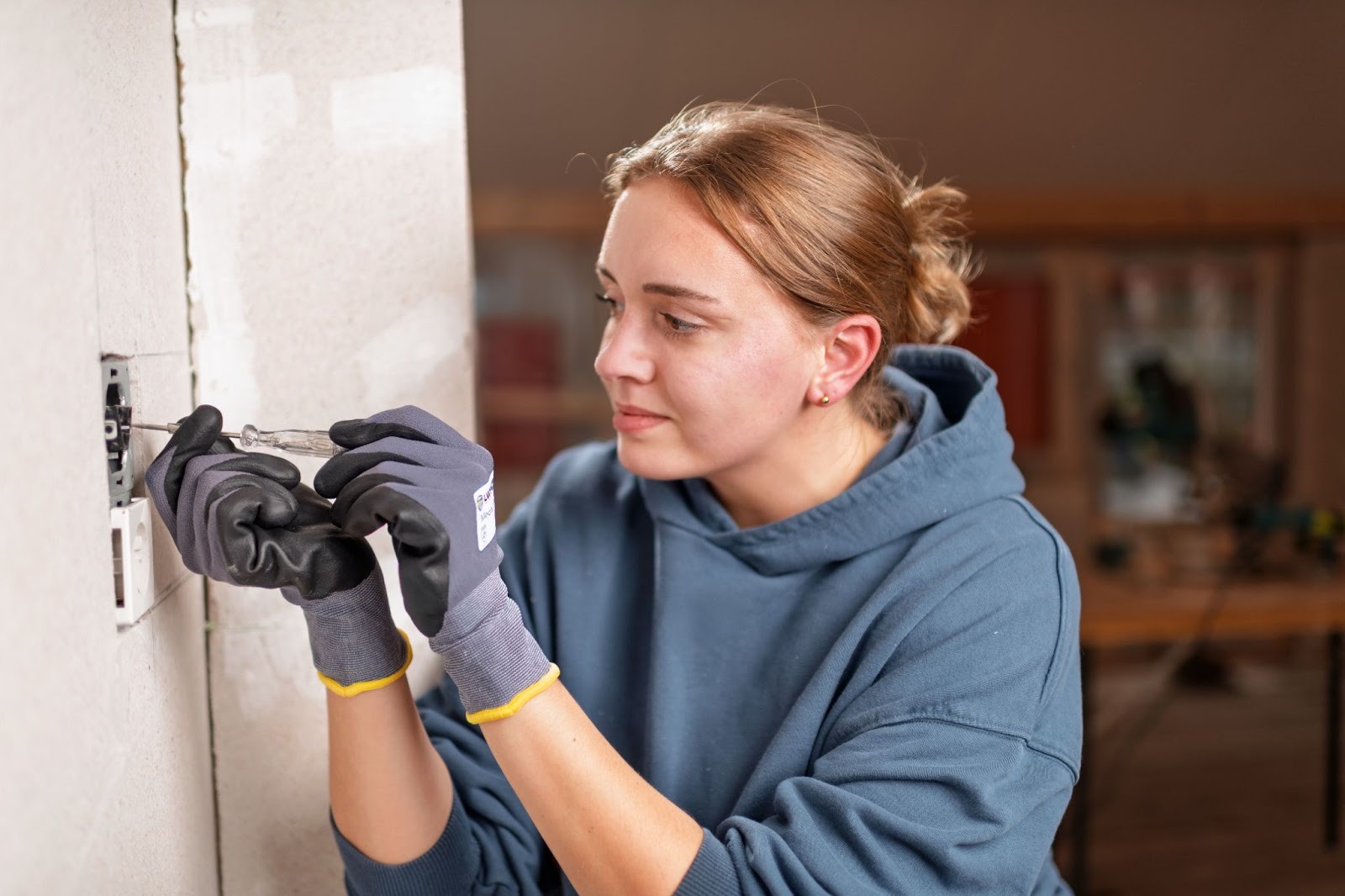
- Wear safety goggles to protect your eyes from sparks, debris, or wire fragments during work.
- Use insulated gloves (rubber-soled if possible) and insulated tools to minimize shock risk when handling wires.
- Add sturdy closed-toe shoes with rubber soles for insulation and foot protection from dropped tools.
Statistics from a number of European countries reveal that electrical fires account for 25-30% of all domestic fires, an increase of 5-10% in the last 10 years. The total number of fires of electrical origin in the EU is estimated to be 273,000 per year. Their consequences are dramatic in terms of fatalities, injuries and the economic cost to society. -FEED (Forum for European Electrical Domestic Safety)
Repairing walls, filling holes or finishing surfaces
Repairing walls, filling holes, or finishing surfaces poses risks like inhaling gypsum dust or silica during sanding (causing respiratory issues), eye/skin irritation from compounds, cuts from tools, and strains from repetitive motions or ladder use. Using proper personal protective equipment (PPE) greatly reduces these hazards.
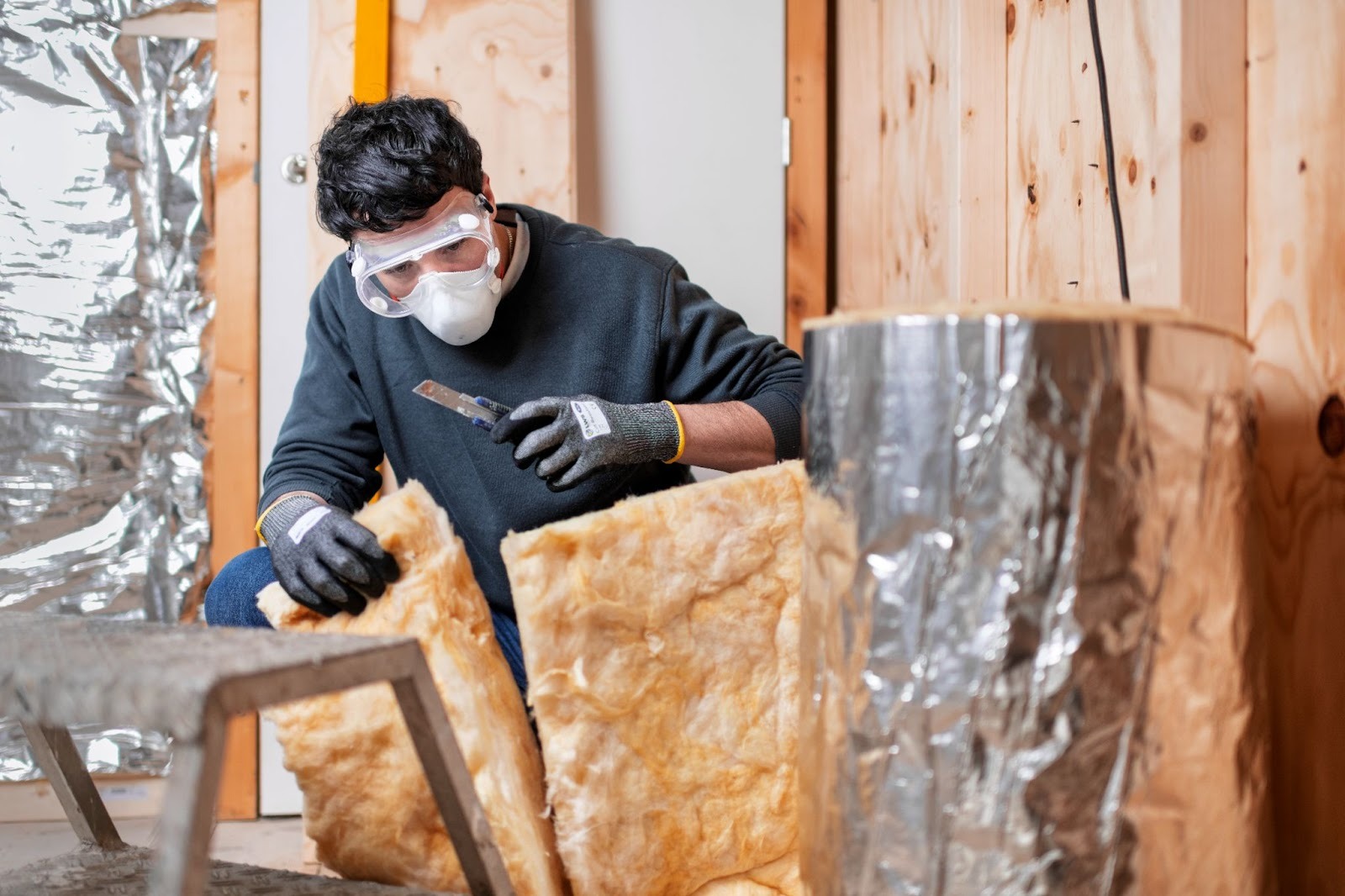
- Wear safety goggles to protect your eyes from dust and debris while sanding or applying fillers.
- Use a respirator to filter out fine drywall dust and prevent inhalation during sanding or mixing.
- Put on work gloves to shield hands from irritants in compounds or sharp tools.
- Consider knee pads for floor-level work and ear protection if using power sanders.
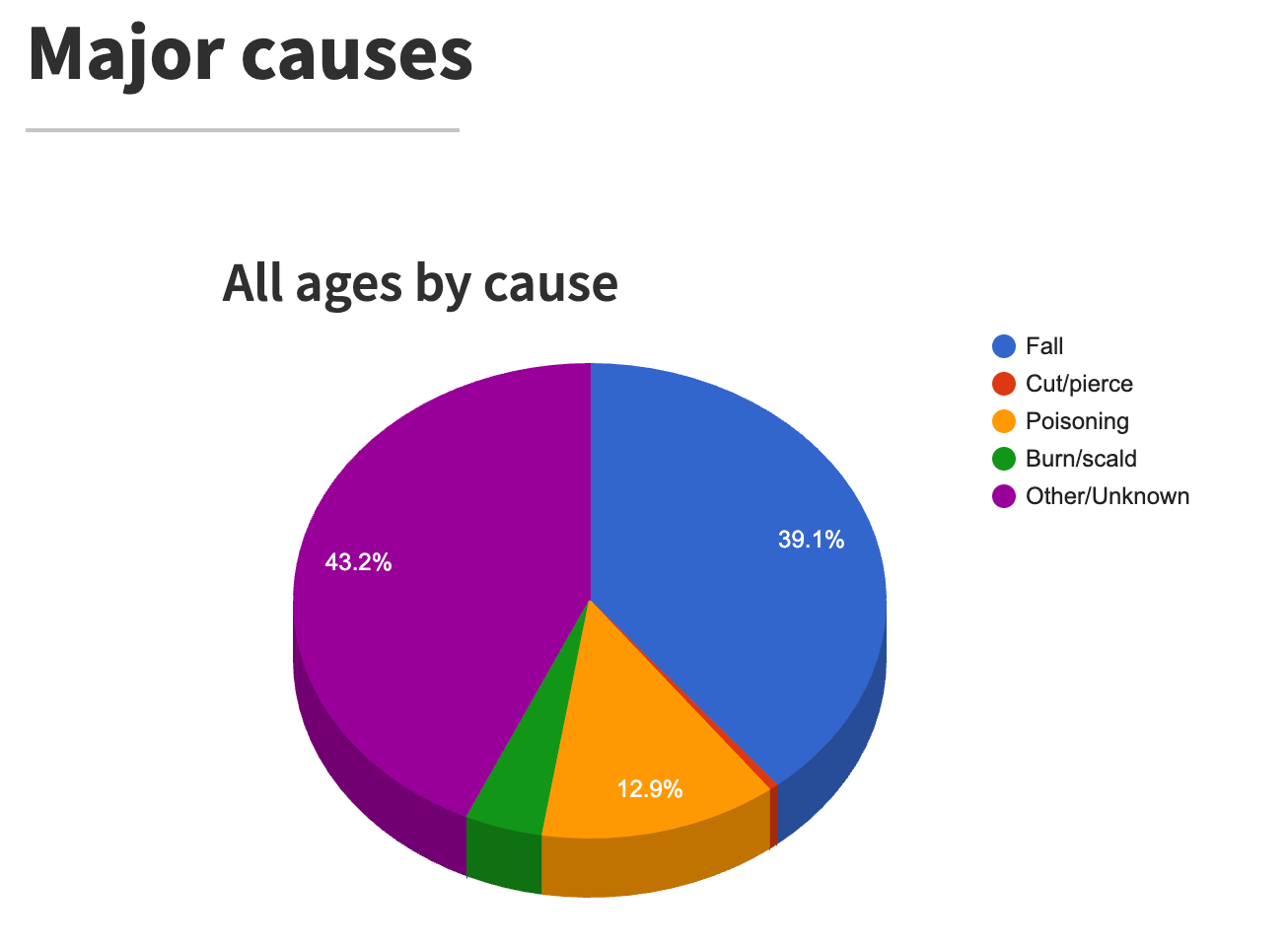
"About 44% of all fatal injuries are due to Home and Leisure Accidents. The remaining injury deaths are related to suicides (28%) road traffic (15%), homicide (3 %) and paid work (2%). All together, every year around 235.000 people die due to accidents, self harm and violence” -EuroSafe
Building small pieces of furniture or individual decorations
Building small pieces of furniture or individual decorations involves risks such as cuts/lacerations from saws or sharp tools, eye injuries from flying chips, dust inhalation from wood sanding, strains from handling materials, and hearing damage from power tools. Using proper personal protective equipment (PPE) greatly reduces these hazards.
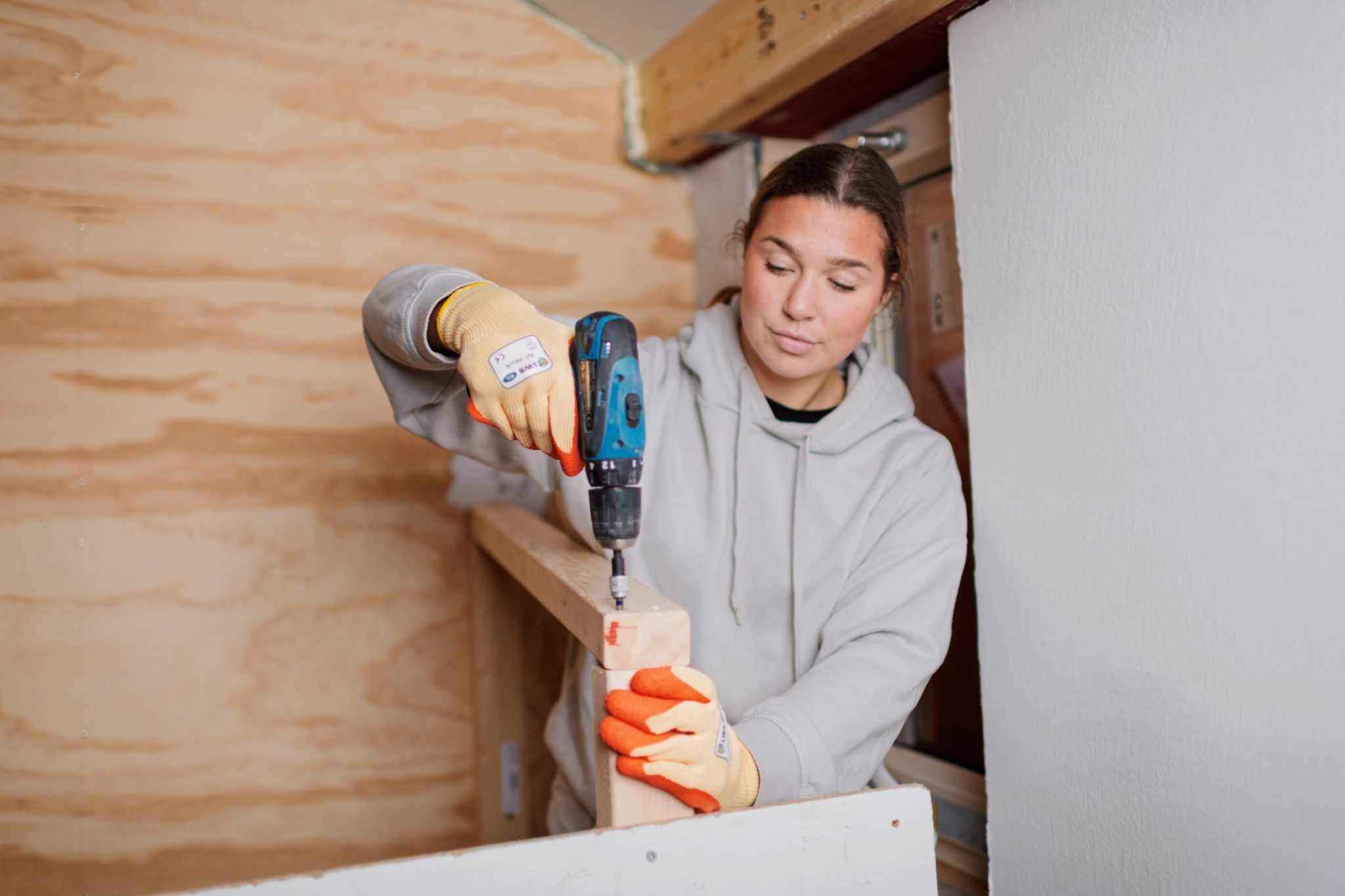
- Wear safety goggles to protect your eyes from wood chips, dust, or debris when cutting or sanding.
- Use cut-resistant work gloves to guard hands from sharp edges, blades, or splinters.
- Put on a respirator to filter wood dust during sanding or finishing.
- Add earplugs or earmuffs for hearing protection with loud power tools, and sturdy closed-toe shoes against dropped items.
According to the Eye Health UK every year 30,000 people require medical help for eye injuries caused by DIY projects. Many of these could have been prevented by wearing the correct safety eyewear.
Improvements to patios, garden fences or outdoor areas
Improvements to patios, garden fences, or outdoor areas carry risks like strains from heavy lifting of materials, cuts/abrasions from tools or sharp edges, eye injuries from debris, falls from ladders or uneven ground, dust inhalation from cutting concrete/wood, and exposure to weather elements or insects. Using proper personal protective equipment (PPE) greatly reduces these hazards.

- Wear safety goggles to protect your eyes from flying debris, dust, or particles when cutting or drilling.
- Use sturdy work gloves for hand protection sharp fence posts, tools, splinters, or rough materials.
- Put on an FFP dust mask for filtering dust from cutting wood, concrete, or gravel work.
- Wear sturdy closed-toe boots for foot protection and stability on uneven outdoor surfaces, plus ear protection if using power tools.