
July 30, 2026
Decoding the Eyewear Aisle: What Shoppers Actually Ask (And How Retailers Should Answer)

Walk into a typical safety eyewear aisle, and it often looks like an optical testing lab. Rows of identical clear and smoke glasses hang under cryptic labels: EN ISO 16321-1:2022, HMT Anti-Fog, CE CAT. II. While these specs prove compliance, they mean nothing to a busy contractor or a weekend DIYer trying to buy glasses.
Many retailers treat safety glasses as a cheap, disposable commodity. They crowd shelves with identical products and rely on price slashing to get sales. But when price is the only selling point, someone will always beat you. Sustainable category growth doesn't come from crowded aisles. It comes from removing shopper doubt.
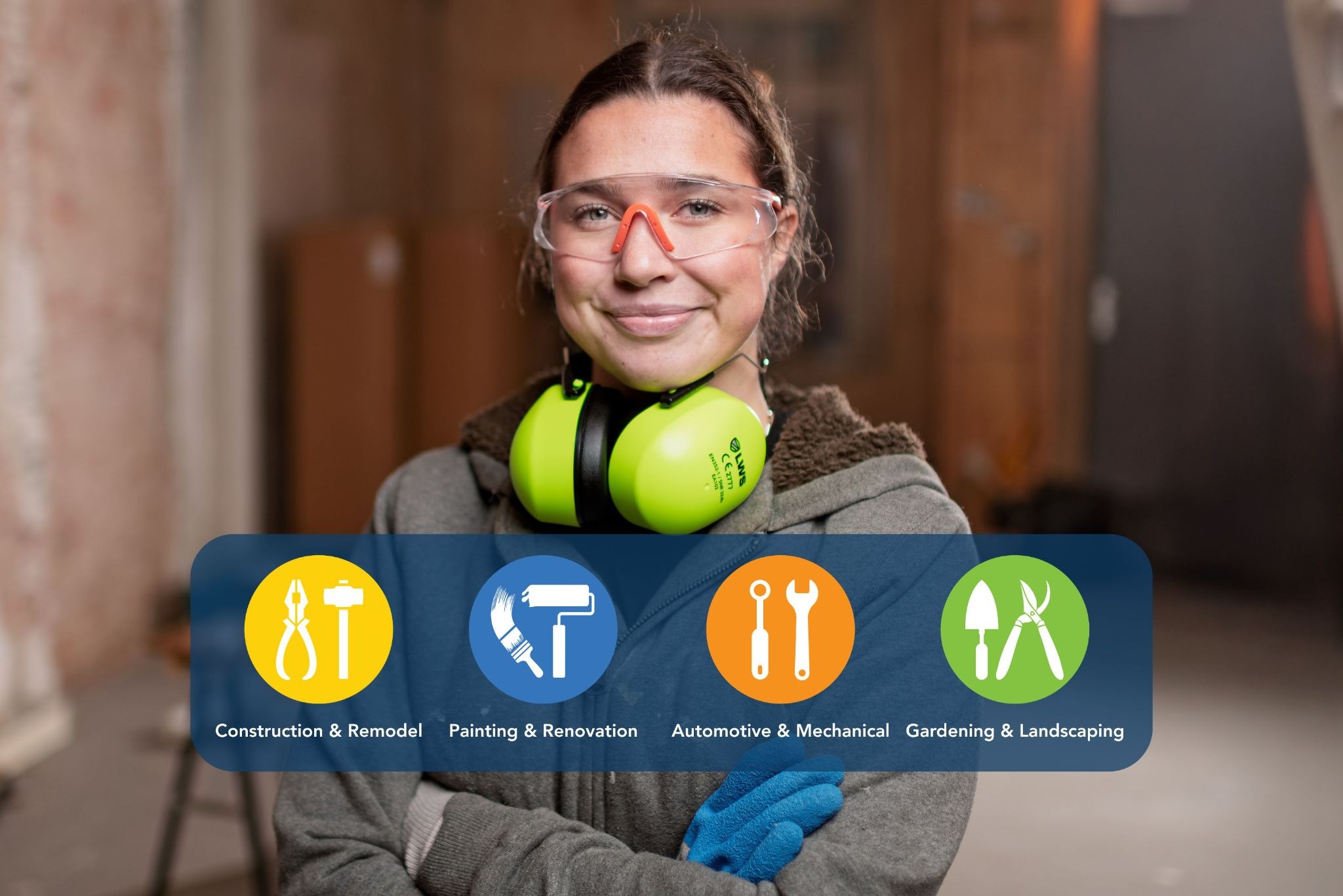
To turn your eyewear department into a high-margin revenue engine, stop talking like a lab manual. Start answering the practical questions your customers are actually asking.
The Jargon Trap vs. The Shopper's Reality
When a shopper looks at thirty different safety glasses, they aren't thinking about European optical standards. They want to solve an immediate frustration. Within seconds, they are silently asking themselves these key questions:
- "Will these fog up instantly when I sweat or wear a dust mask?" (The Fogging Friction)
- "Will these snap if I drop them on concrete or toss them in my tool bag?" (The Durability Friction)
- "What kind of protection do I actually need for this job?" (The Application Friction)
- "Will these fit comfortably over my regular prescription glasses?" (The Fit Friction)
- "Do I need magnification to read small prints or blueprints on site?" (The Precision Friction)
If your shelf layout makes the customer guess the answers, they experience cognitive overload. The result? They either buy the absolute cheapest pair, or they walk away without buying anything. Confused shoppers do not buy premium products.
Translating Tech Specs into Buying Confidence
To eliminate friction, your shelf communication must act as a self-guided translator. Instead of forcing shoppers to decode symbols, your display must immediately validate their needs through a clear, task-based selection system.
At LWS Health & Safety, we organize the eyewear category around four core applications, making the choice obvious and effortless:
- Impact Protection (Clear or Tinted): Boldly position these as "Job-Site Tough - Certified Impact Protection," clearly splitting clear lenses for indoor clarity and smoke lenses for outdoor glare reduction.
- Dust & Splash Protection: Instead of jargon, label these closed-frame goggles as "Complete Seal - Blocks Fine Dust and Liquid Splashes."
- Over-the-Glasses (OTG): Clearly identify models designed for prescription wearers: "Fits Comfortably Over Your Daily Glasses."
- Magnifying (Bifocal): Don't use terms like "Diopter Inserts." Call it what it is: "Built-In Reading Magnification - Easily Read Measurements & Blueprints."
When you restructure the safety aisle to answer these human questions at a glance, buying becomes natural. The customer stops seeing a "cheap plastic expense" and starts investing in optical clarity, job-site safety, and working comfort.
Concept-Led Education: A Self-Selling Aisle
The goal of a high-velocity retail layout is to build a self-contained, self-educating system. The packaging, color-coding, and shelf signage must be so intuitive that a customer can choose the right tool completely on their own. You shouldn't need floor staff to explain the inventory.
However, well-trained store associates are still valuable as high-margin sales catalysts. With the baseline education handled by the display, staff doesn't need to recite technical data. Instead, they can ask a simple question like, "Are you grinding metal outdoors, or doing fine indoor assembly?" This reinforces the self-guided experience and gives the customer the final push to buy a specialized, premium solution.
The Bottom Line
Customers always choose the path of least complexity. Your eyewear aisle should not be a puzzle. By partnering with a structured PPE specialist who engineers intuitive, task-based shelf layouts and benefit-driven signage, you replace confusion with instant confidence. Make choosing easy, and you maximize both customer safety and retail profitability.
About LWS Health & Safety
LWS Health & Safety is a division of Lighthouse Worldwide Solutions, founded in 1982 and recognized globally as a leader in contamination monitoring and safety solutions.
At LWS Health & Safety, we design personal protective equipment (PPE) that’s easy to understand, easy to use, and made for real life. From DIY projects and gardening to renovation and automotive tasks, we help make safety a natural part of everyday work, so you and the users can focus on getting things done.