
September 11, 2026
The Hidden Cost of 'Dead' PPE Inventory
.jpg)
Walk into almost any DIY store, hardware distributor, or safety retailer, and you will likely encounter a familiar sight: endless rows of safety glasses, dozens of specialized glove variations, and niche protective gear lining the shelves.
Historically, carrying an expansive catalog was seen as a competitive advantage. Retailers believed that offering maximum variety was the best way to serve every potential customer need.
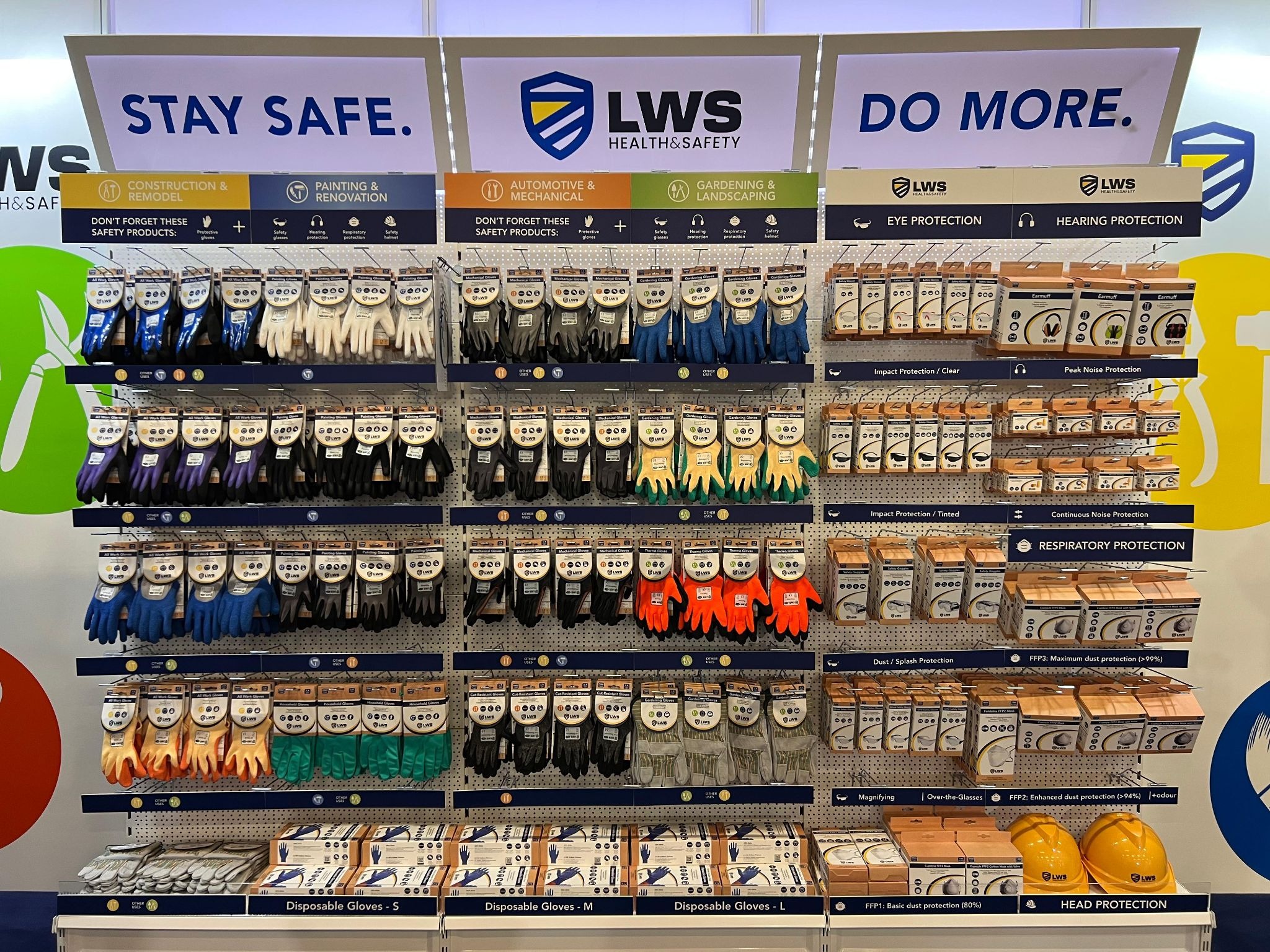
In reality, carrying a bloated PPE catalog creates a quiet profit killer: 'dead' inventory.
When slow-moving SKUs sit on retail shelves or warehouse racks for months, they do far more than gather dust. They actively destroy overall profitability through hidden operational expenses:
- Tied-Up Working Capital: Unsold stock freezes cash flow that could otherwise be reinvested into high-turnover, high-margin products. Capital locked in static inventory restricts your agility to respond to market shifts.
- Wasted Shelf Real Estate: Dedicating valuable eye-level shelf real estate to low-demand items depresses your revenue per square meter, making shelf layout optimization essential for retail success.
- Product Degradation and Expiry: Unlike general hardware tools, many PPE items—such as hard hats, respiratory filters, and chemical-resistant gloves—have strict shelf-life limits. Over time, UV exposure and polymer degradation compromise safety compliance, forcing write-offs.
- Customer Decision Paralysis: Overwhelming buyers with dozens of nearly identical options creates cognitive overload. Rather than encouraging sales, excessive choice slows down purchasing decisions and lowers aisle conversion rates.
- Increased Handling Costs: Storing, tracking, and auditing hundreds of rarely sold SKUs increases administrative burden and logistics overhead for warehouse staff.
Shift from Catalog Bloat to Curated Assortment
Forward-thinking category managers are shifting away from massive, unvetted catalog offerings. The key to sustainable margins lies in SKU rationalization, proving how offering fewer PPE products can actually increase sales.
By streamlining your offering down to high-velocity core products, you eliminate slow-moving stock, boost inventory turnover, and simplify the buying experience for your customers.
Auditing your safety aisle today is the first step toward trading slow-moving dead inventory for a high-margin, highly efficient safety program.