
December 15, 2025
Why Protective Gear Is Essential for DIY Projects
Why Protective Gear Is Essential for DIY Projects
Whether you are renovating, drilling, sanding, painting, or building small projects, DIY work is rewarding and empowering. But many hobbyists underestimate one crucial aspect: personal protective equipment. It often determines whether a project ends successfully or with avoidable injuries.
We like to explain to you why basic protective gear matters and which items you should always keep on hand.
1. Protecting Eyes, Hands, and Airways – Your Most Vulnerable Areas
Almost every DIY activity involves risks: sparks, dust, splinters, sharp edges, or chemicals. Many injuries happen in seconds and could easily be avoided with simple protective equipment.
Eye Protection
When sanding, sawing, or drilling, tiny particles can fly into your eyes. Safety glasses prevent this and help you maintain clear visibility throughout your work.
Hand Protection
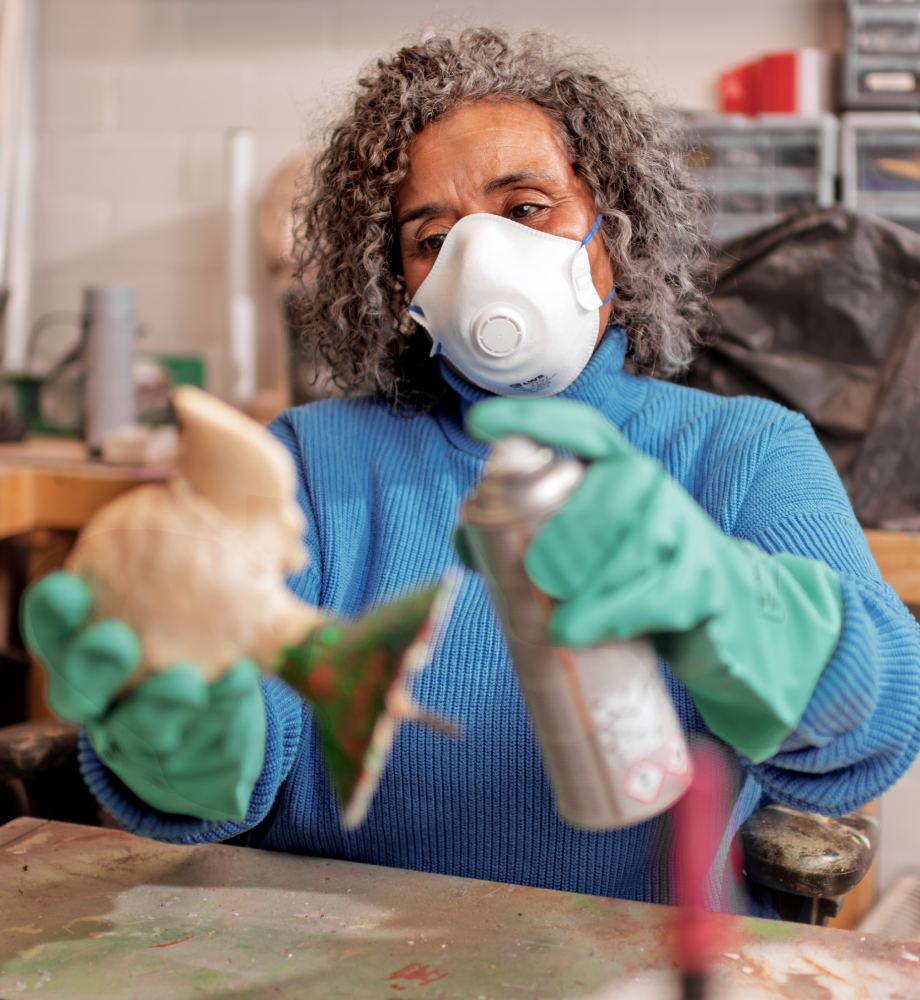
Scratches, cuts, skin irritation from paints or cleaning products – your hands take most of the impact during DIY tasks. Work gloves or chemical-resistant gloves reduce injuries while ensuring a secure grip.
Respiratory Protection
Fine dust from sanding or aerosol mist from paint spraying is often overlooked. A proper mask keeps harmful particles and vapors out of your lungs, especially during longer tasks.
2. Preventing Long-Term Health Issues
Not all risks are immediately noticeable. Fine dust, solvents, or loud noise may not cause instant discomfort but can lead to serious health problems over time. Protective gear significantly reduces these hazards:
- Respirators protect you from harmful dusts and fumes.
- Hearing protection guards against permanent hearing damage from power tools.
- Knee pads and proper work clothing help prevent chronic strain from working on hard surfaces.
3. Work More Efficiently and Comfortably
When you are protected, you work with more focus and confidence. Gloves prevent sore hands that force frequent breaks. Safety glasses keep you from stopping work due to dust in your eyes. In short: proper equipment improves comfort and productivity.
4. Small Investment – Big Value
Some people avoid protective gear because it feels like extra effort. In reality, it is a minimal investment compared to the potential consequences of accidents, injuries, or lost work time.
Most basic gear costs less than a single tool you might use for the same project—and it can save you from medical bills and unnecessary downtime.
5. Essential Protective Gear for Home Use
For most DIY projects, a simple core set is sufficient:
- Safety glasses
- Work gloves (and chemical-resistant gloves when needed)
- Respiratory mask
- Hearing protection
- Sturdy work clothing and safety shoes for larger projects
With these items, you are well prepared for the majority of home-improvement tasks.
Conclusion
DIY projects should be enjoyable and lead to satisfying results. Protective gear helps you achieve exactly that: it reduces injuries, prevents long-term health issues, and allows you to work with confidence and comfort. The better prepared you are, the safer—and more successful—your projects will be.
Our advice: never compromise on your own safety by not purchasing PPE products!