
April 8, 2026
The Essential Gardening & Landscaping Safety Guide: PPE for the Green Thumb 🌿

You’ve renovated your kitchen (Construction & Remodel), given your walls a fresh look (Painting & Renovation), and fine-tuned your engine (Automotive & Mechanical). Now, it’s time to step outside.
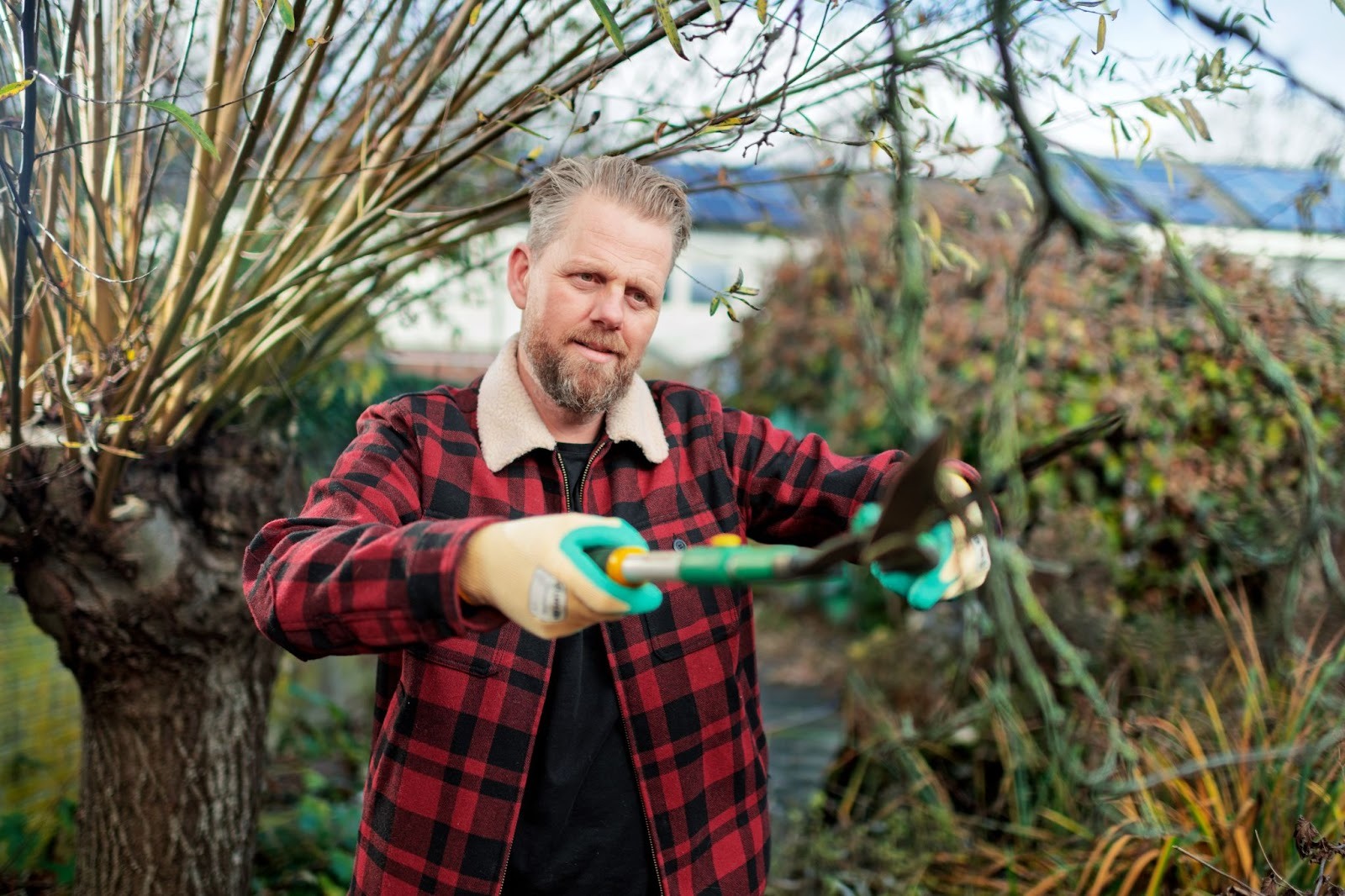
Whether it’s a sprawling backyard or a cozy terrace, your outdoor space is your ultimate "feel-good zone." But before you grab the pruning shears, let's talk about the hidden hazards waiting in the flower beds.
Gardening, Designing, and Enjoying: The DIY Spirit
DIY gardening and landscaping do not mean you have to hire expensive designers or be a botanical expert. It’s about making your space beautiful, step by step. With simple tools, a bit of patience, and a willingness to experiment, you can transform any patch of dirt into a sanctuary, a place where you love to spend time.
However, "do it yourself" shouldn't mean "hurting yourself." In the garden, your hands are your most important tools, and they are constantly exposed to mechanical and biological risks.
Typical Tasks: Where the Magic Happens
From maintaining a lush lawn to building stone borders, every task requires a different level of precision and protection. Here is what you can achieve on your own:
- Lawn Care: Mowing, fertilizing, and watering.
- The "Clean Cut": Pruning shrubs and hedges.
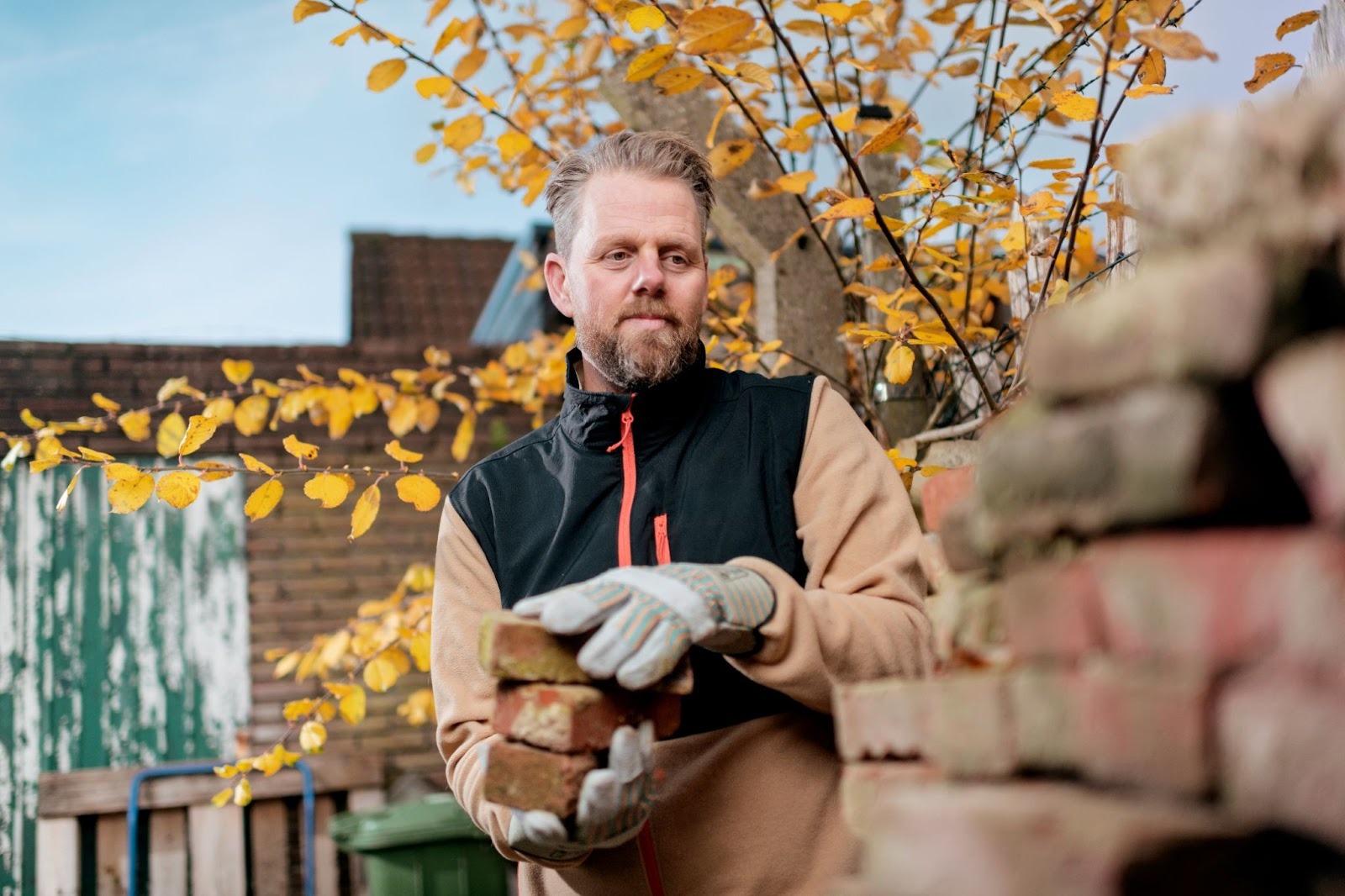
- Hardscaping: Laying small paths, terraces, or stone borders.
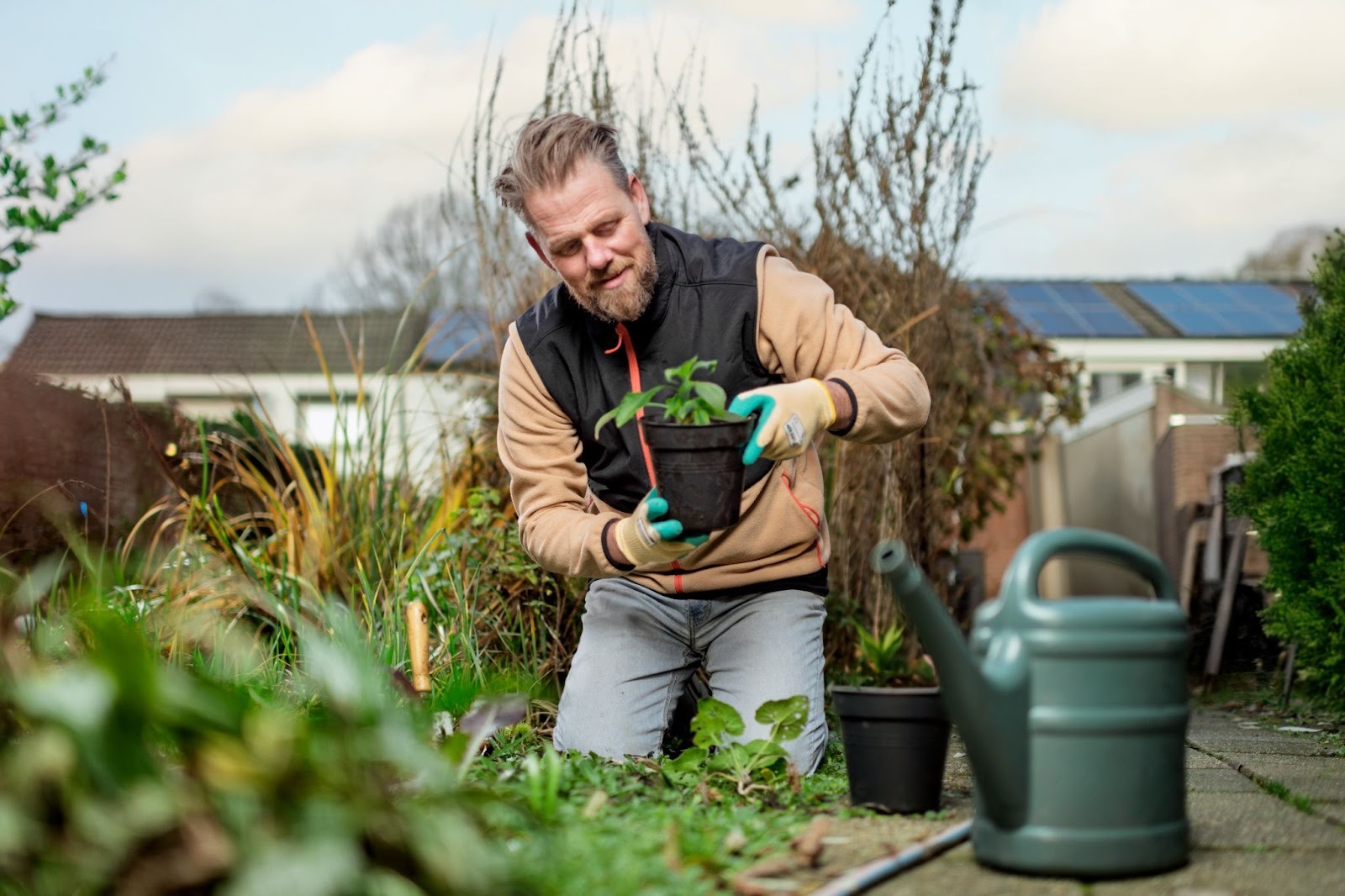
- Soil Management: Composting, soil care, and repotting.
- Creative Projects: Building garden furniture or DIY outdoor decorations.
Invisible Hazards: While most DIYers focus on what they can touch, gardening safety also involves managing invisible risks. High-decibel noise from petrol-powered machinery and the deceptive strength of the early spring sun are just as dangerous as a sharp thorn. A complete safety mindset means protecting your senses and your skin from head to toe.
The "Hidden Prick" List: Common Garden Hazards
Gardening might feel peaceful, but for your skin, it can be a battlefield. Here are the specific risks that turn a fun afternoon into a first-aid emergency:
- The Thorn Trap: It’s not just roses. Weeding wild patches, clearing brambles, or handling nettles can lead to deep-seated punctures. These small wounds often carry soil-borne bacteria, leading to rapid infection if your hands aren't shielded.
- The Splinter Zone: Repairing old wooden fences, moving weathered planters, or handling raw timber for a DIY bench often results in stubborn splinters. Damp wood is especially tricky, as it tends to break off under the skin.
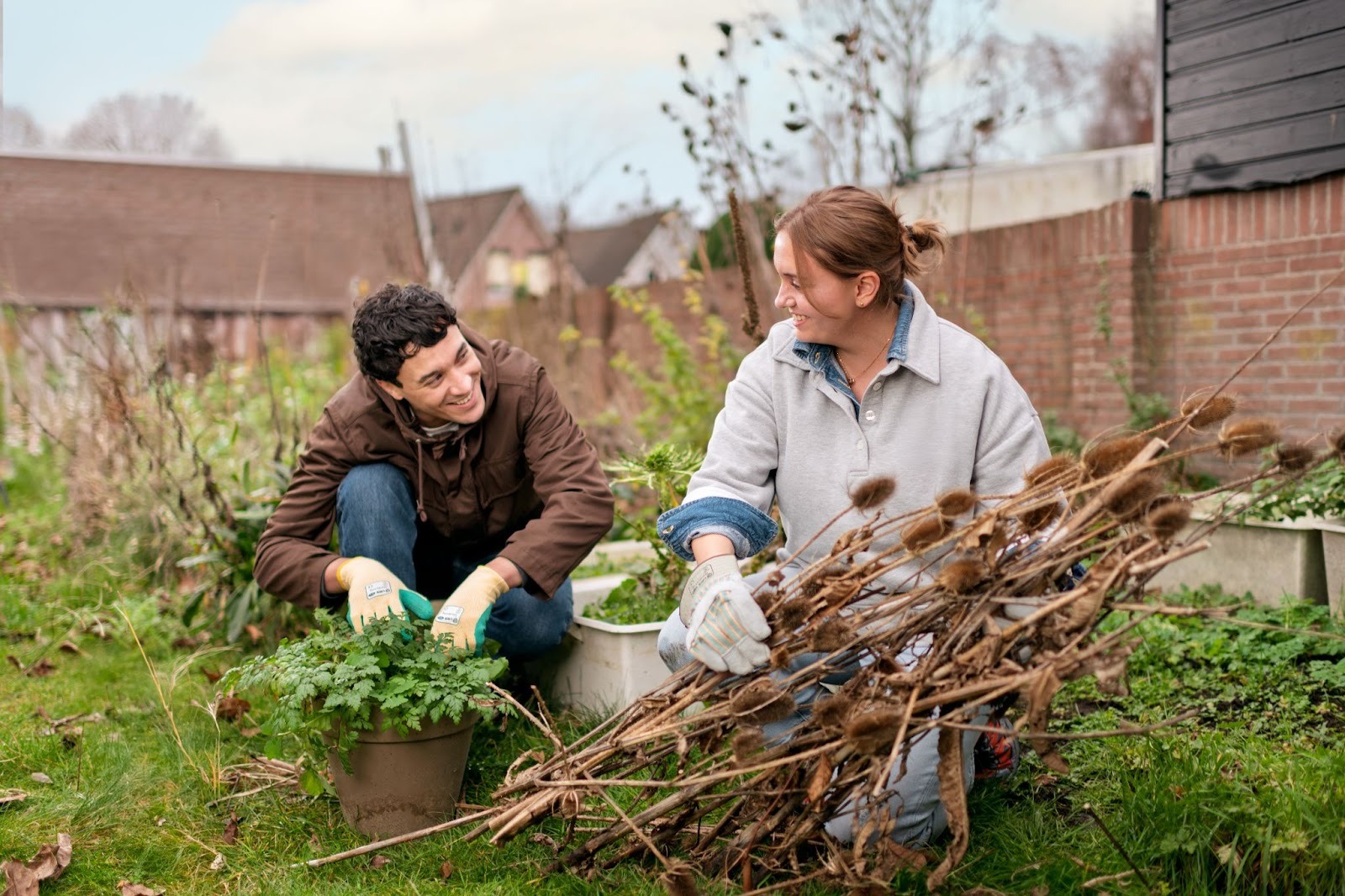
- The Dry Twigs & Brushwood Effect : Gathering thin, dry twigs for kindling or breaking down brushwood for compost can be surprisingly dangerous. These brittle things act like tiny spears, easily puncturing unprotected skin or thin fabric gloves.
- Stone & Concrete Abrasion: Laying stone borders or dragging heavy terracotta pots across a patio creates intense friction. The abrasive texture of concrete and natural stone can wear down your skin layers in seconds.
- Tool Friction & Blisters: Hours of raking, digging, or gripping the handle of a lawnmower cause repetitive friction in the palms, leading to painful blisters and calluses.
- The Chemical & Biological Barrier: Fertilizers, pesticides, and even organic manure are full of chemicals and pathogens. Your skin is porous; it can absorb these substances just as easily as motor oil in a garage.
- The Decibel Danger: Petrol-powered lawnmowers, hedge trimmers, and leaf blowers can produce noise levels well above 85-90 dB. Prolonged exposure doesn't just cause temporary ringing; it can lead to permanent hearing loss.
- The Projectile Path: Using a string trimmer or mower can launch small stones, mulch, or twigs at high speeds. Without proper eye protection, these "flying missiles" can cause serious injury in a split second.
- The First Sun Trap: We often underestimate the sun during those first pleasant gardening days. Spending hours with your neck and arms exposed while focused on your flower beds is the fastest way to a painful sunburn. UV rays are active even on breezy or slightly overcast spring days.
Choosing the Right Gear: High Dexterity vs. Puncture Resistance
In the green zone, one glove does not fit all tasks. You need to match your protection to the risk:
1. High Dexterity for Delicate Tasks
When you are repotting young plants, handling seeds, you need to feel exactly what you are doing. High-dexterity gloves provide a "second skin" feel, allowing for precision while keeping dirt and fertilizers away from your pores.
2. Puncture & Abrasion Resistance for Heavy Work
For pruning thorny hedges, handling brushwood, or moving stones, you need a glove with a serious mechanical barrier. Look for materials that offer high puncture resistance to stop thorns and splinters before they reach your skin.
LWS Safety Tip: Don't wait for the first scratch to put on your gloves. A small splinter from a garden fence or a prick from a dry twig can lead to weeks of discomfort. Protection is a habit, not an afterthought.
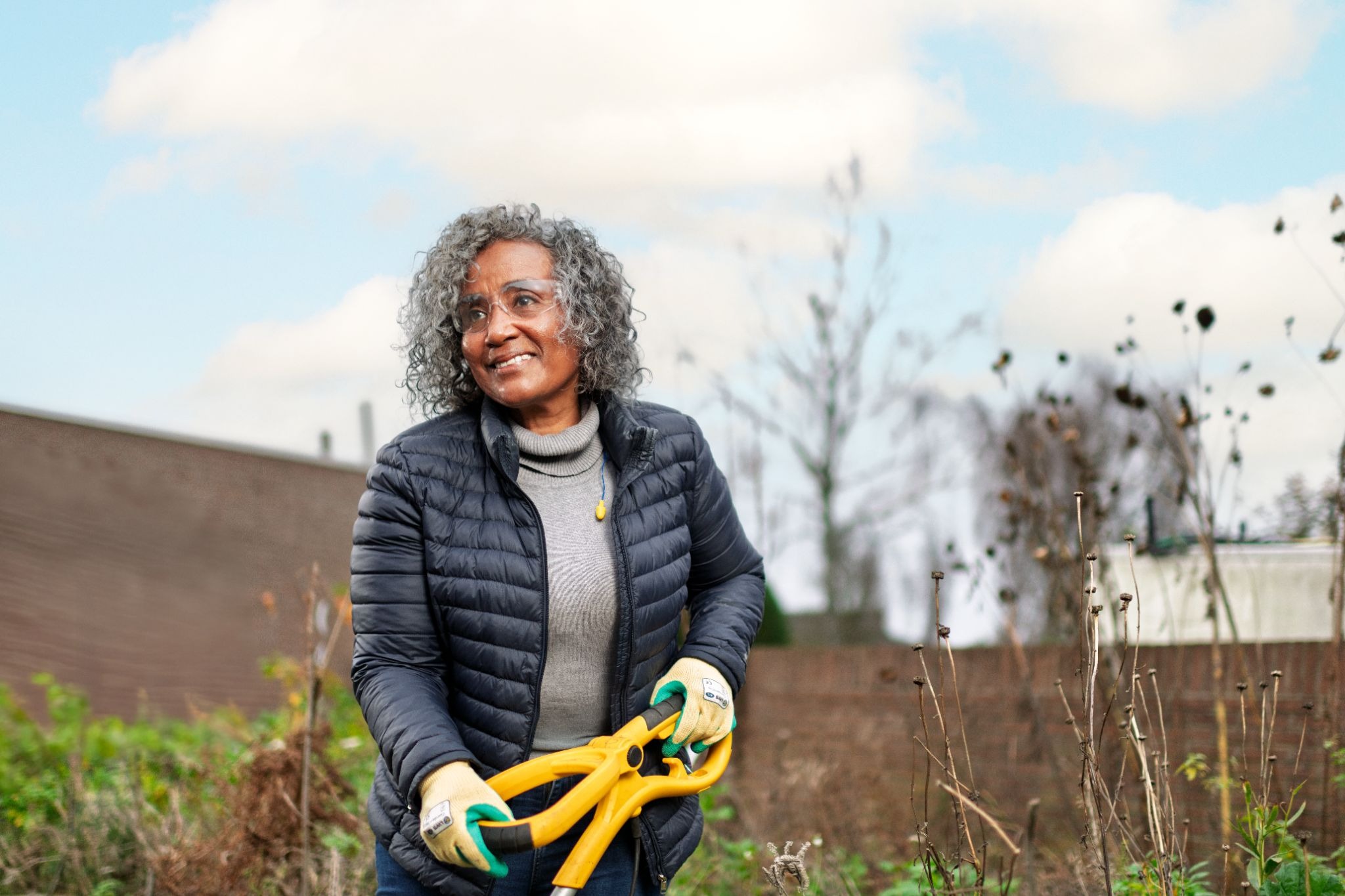
3. Eye Protection: Your Field of Vision
When operating power tools or clearing brush, standard sunglasses aren't enough. Use impact-resistant safety glasses to shield your eyes from dust, debris, and low-hanging branches. However, you don't have to choose between sun protection and safety. Consider tinted safety glasses; these are specifically designed to function like high-quality sunglasses while providing full industrial-grade protection against flying objects and harmful UV rays. Clear vision is your first line of defense.
4. Hearing Protection: Muffling the Roar
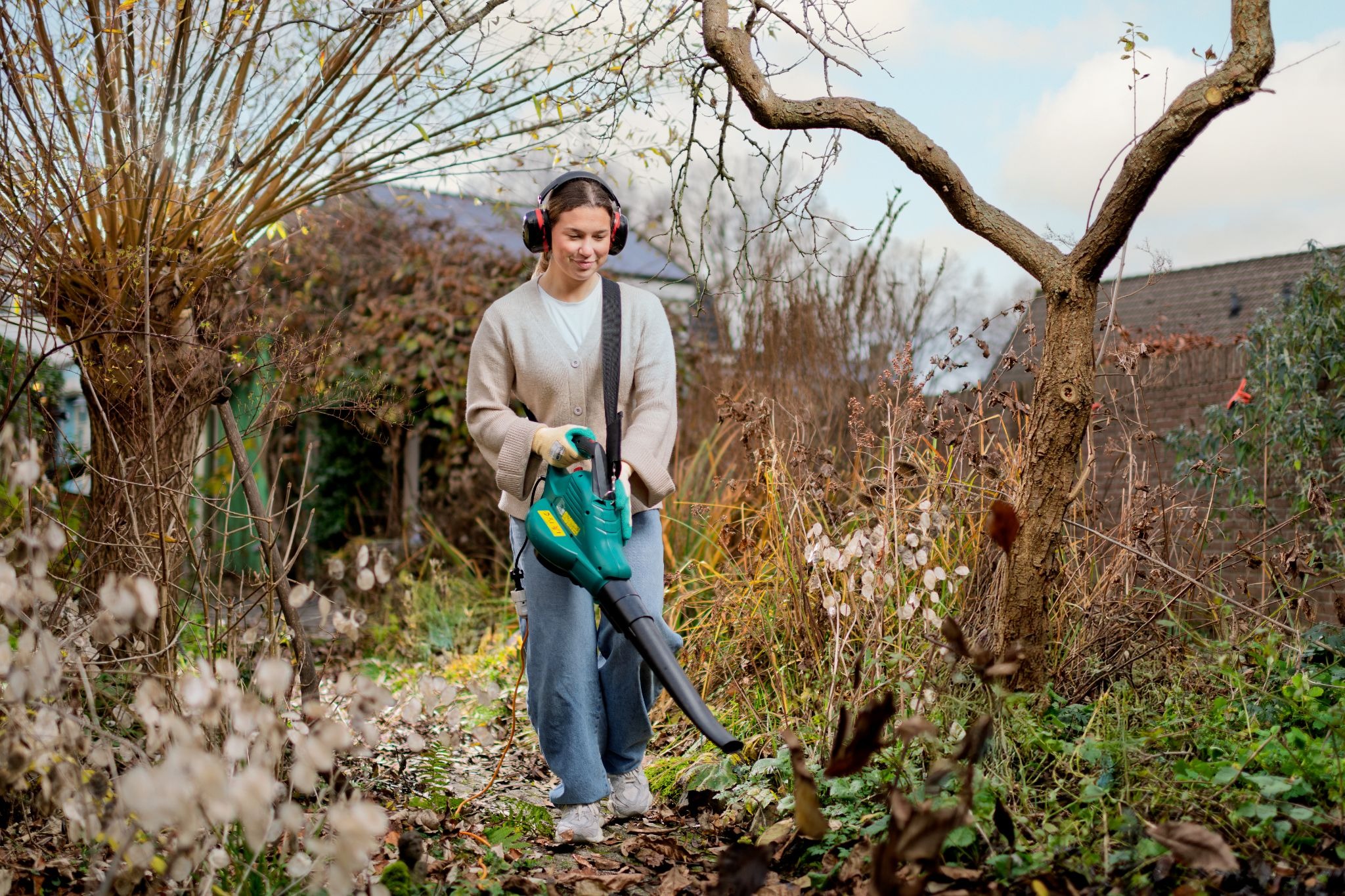
If you’re using petrol engines, high-quality ear defenders or earplugs are non-negotiable. They reduce fatigue and protect your long-term hearing health, allowing you to focus on the task at hand without the distracting roar of the engine.
5. Sun Defense: Cover Up
Don’t forget the sunscreen (SPF 30+) and a wide-brimmed hat. Protecting your neck and arms isn’t just about avoiding a burn; it’s about maintaining your energy and preventing long-term skin damage during those long sessions in the "feel-good zone.
Conclusion: Your Sanctuary, Your Safety
Gardening is one of the most rewarding DIY projects. It’s where you relax, create, and enjoy the fruits of your labor. By adopting a "total safety" approach (protecting your hands, eyes, ears, and skin), you ensure that your outdoor space remains a true sanctuary.
Stay safe, protect your shell, and do more. 🧤🌿