
March 19, 2026
Painting & Renovation Safety: Protecting Your Health During Home Improvement

Painting is one of the most popular DIY home improvement projects in Europe, but it’s more than just choosing the right color. From the microscopic dust of sanded wood to the chemical vapors of solvent-based finishes, every step requires a strategic approach to safety.
Painting safety is a critical consideration, especially when you realize that according to the European Solvents Industry Group (ESIG), prolonged exposure to solvent vapors without proper protection can lead to "Painter’s Syndrome," a chronic condition affecting the central nervous system. Understanding that your environment changes with every stroke of the brush is the first step to a successful renovation.
Interior Painting or Exterior Painting?
When we discuss painting, we must distinguish between the surfaces and the chemical makeup of the coatings. Interior walls are typically covered with water-based paints, while exterior doors and high-traffic furniture often require the durability of solvent-based (alkyd) paints. This distinction is vital for your health, as the European Chemicals Agency (ECHA) constantly monitors VOCs (Volatile Organic Compounds) which contribute significantly to poor indoor air quality, a factor linked to a portion of the €100 billion annual cost of respiratory health issues in the EU.
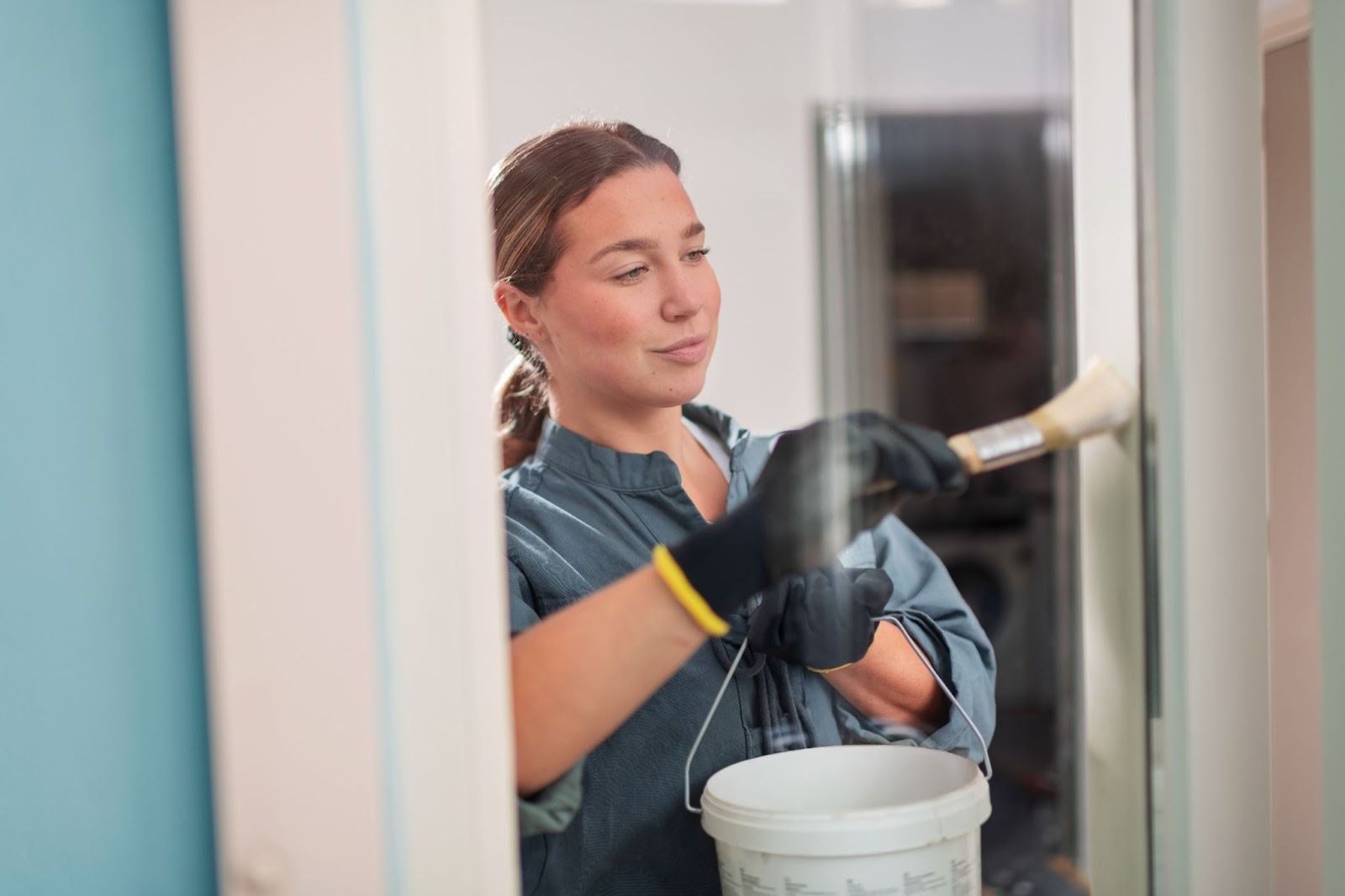
If you use the wrong protection, chemicals can reach your bloodstream or irritate your lungs faster than you might think.
- Water-Based Paint Safety: Use breathable PU-coated gloves. They offer the high dexterity needed for long hours of wall painting while providing a steady grip on rollers and brushes without making your hands overly sweaty.
- Solvent-Based (Alkyd) Safety: Always switch to Nitrile gloves. Unlike PU or common latex, Nitrile acts as a true chemical barrier against aggressive solvents and has a much lower permeability rate.
- Eye Protection: Splashes are unpredictable and can cause permanent damage. Ensure you wear safety goggles with an anti-fog coating, especially when painting overhead or working in poorly ventilated areas.
- Respiratory Safety: Even "low-odor" paints emit fumes. A respirator with an active carbon layer is essential to neutralize odors and filter out harmful VOCs.
Painting & Renovation Safety Guide: Essential PPE for DIY Projects
1. Wallpaper Removal and Surface Preparation
Before the first drop of paint hits the wall, the preparation phase introduces biological and chemical hazards that are often underestimated.
Stripping old wallpaper isn't just tedious; it often disturbs decades-old dust and potentially toxic mold spores hidden behind the paper. This is a serious concern as EU-OSHA reports indicate that biological agents like mold are responsible for a significant rise in respiratory symptoms among DIYers.
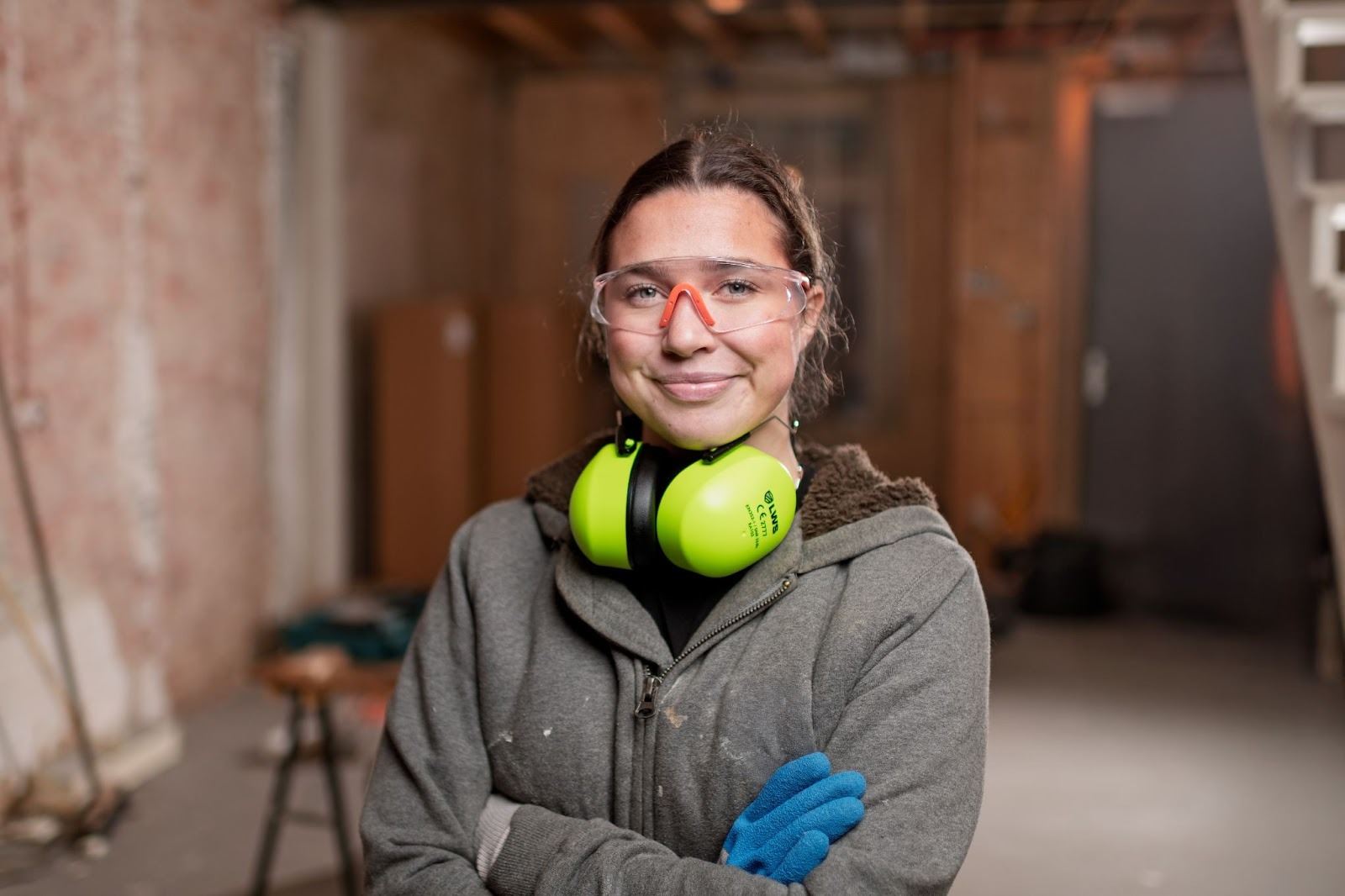
Furthermore, chemical strippers are designed to break down tough adhesives, which means they can just as easily irritate your skin or cause chemical burns.
- Hand Protection: Always wear nitrile gloves when handling liquid wallpaper strippers or strong adhesives to ensure a total chemical barrier.
- Respiratory Care: An FFP2 or FFP3 respirator is non-negotiable to avoid inhaling mold spores and aged dust particles released during the stripping process.
- Eye Safety: Put on safety goggles to guard against splashes from cleaning agents or hot steam used in the removal process.
- Head Protection: Working near ceilings or in tight closets? A lightweight bump cap prevents those "minor" head impacts that account for thousands of home workshop injuries annually across Europe.
3. Surface Repair: Sanding Plaster and Filling Cracks
Achieving a smooth painting surface requires sanding, which creates fine gypsum and plaster dust. These particles are so light that they remain airborne for hours, easily entering the lungs and settling on every surface in your home.
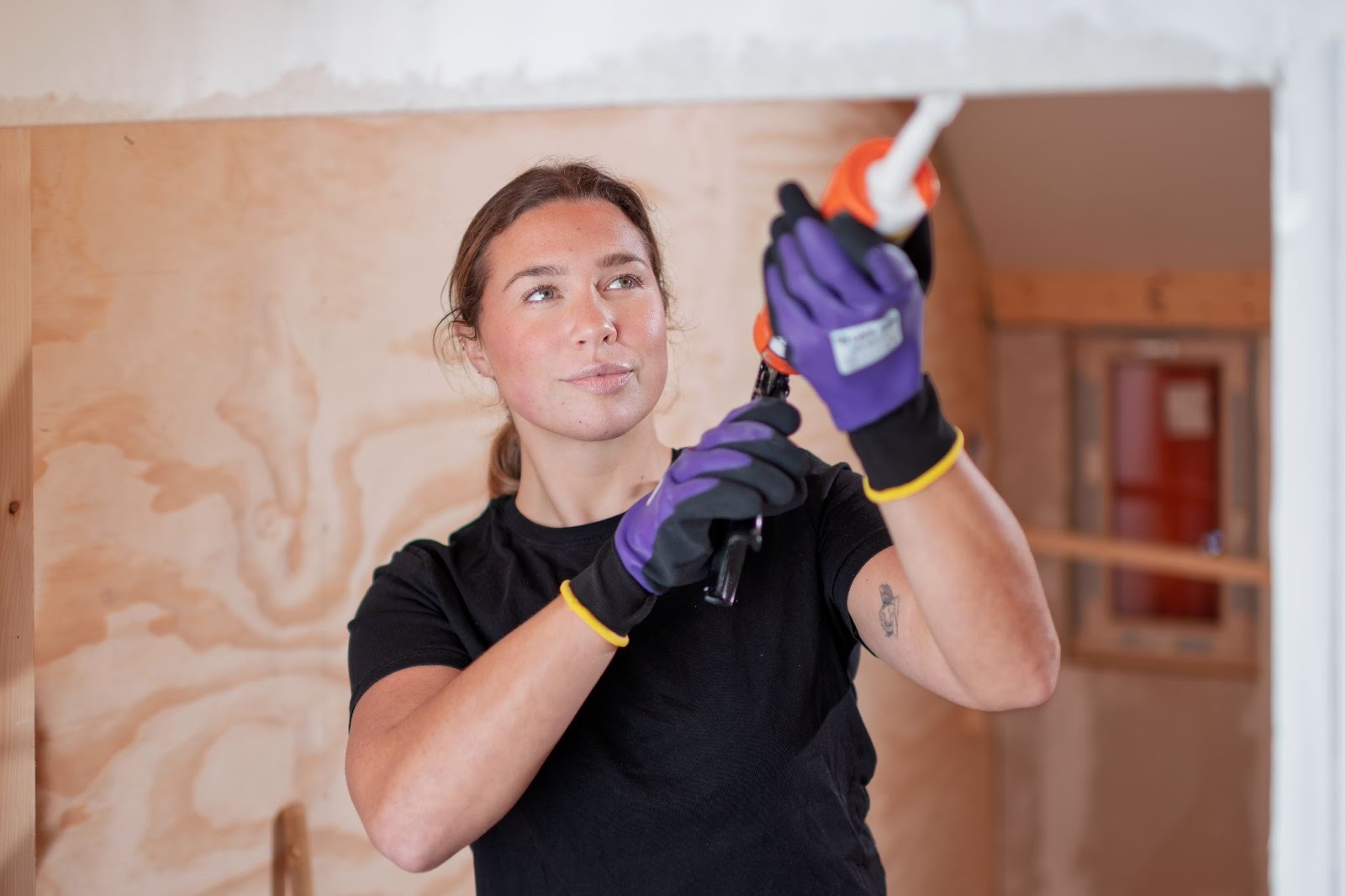
Data from the Eurostat Health & Safety database shows that fine mineral dust is one of the leading causes of "shortness of breath" complaints during home renovations, making respiratory discipline a top priority. Without the right barrier, you aren't just cleaning the wall; you are inhaling the renovation.
- Respiratory Safety: Use a high-quality FFP2 mask.
- Eye Safety: Fine plaster dust is highly alkaline and can cause severe chemical irritation. Always wear tight-fitting safety goggles during sanding.
- Skin Care: Wear PU-coated gloves to prevent the extreme drying and cracking effects that plaster and fillers have on natural skin oils.
- Body Protection: Use disposable coveralls to prevent fine dust from settling on your clothes and being carried into other living areas of your home.
Using masks with ClearView Bar technology offers 30% more downward visibility, which is a critical safety feature when navigating a room filled with tools and dust.
4. Wood Restoration: Sanding, Staining, and Sealing
Woodwork is perhaps the most hazardous part of any painting safety protocol. Hardwood dust (such as oak or beech) is a classified hazard in European professional settings, and the stains used to color wood are almost always solvent-heavy.
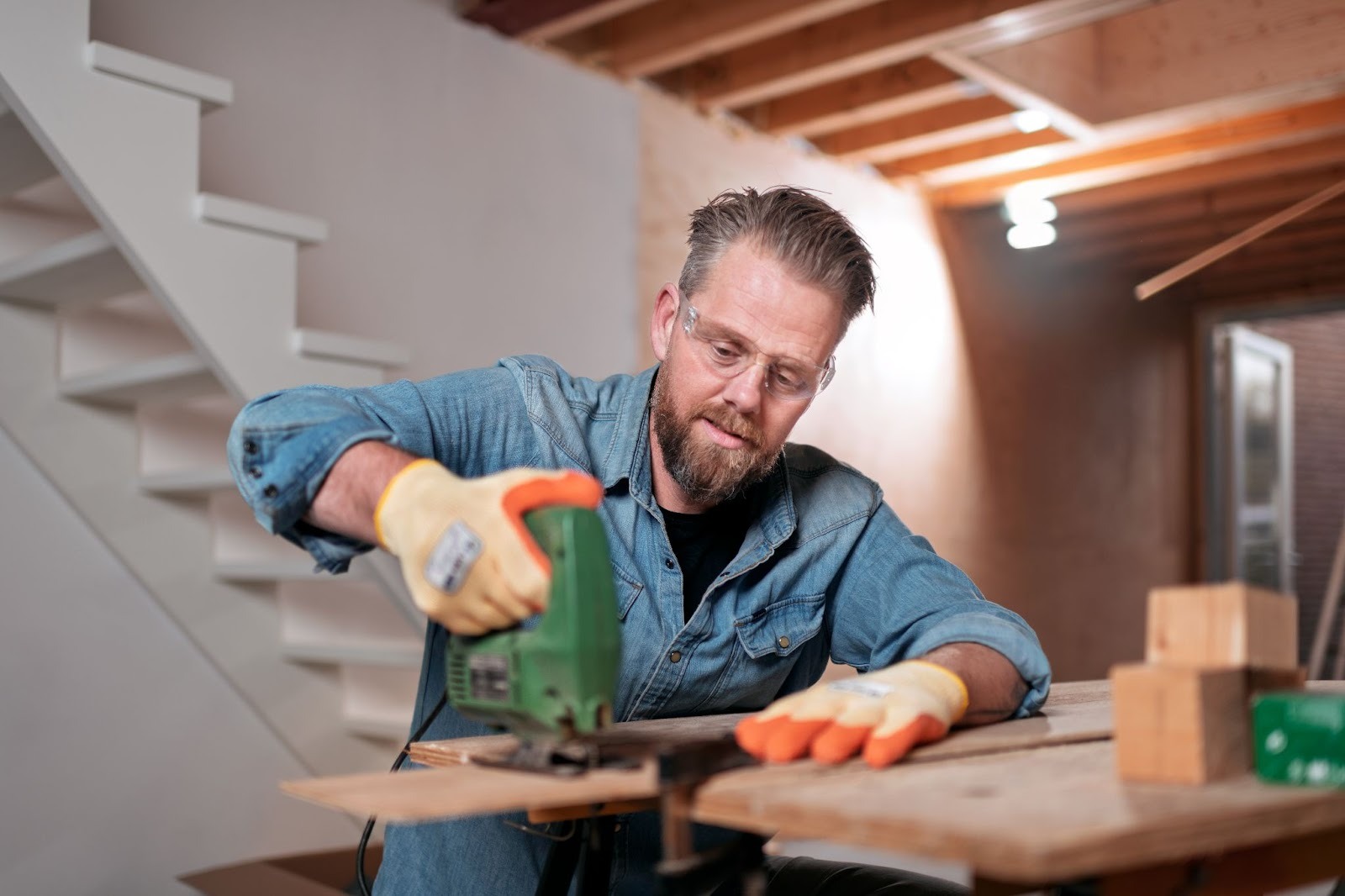
The European Chemicals Agency (ECHA) warns that wood dust can be up to 10 times more irritating to the respiratory tract than common household dust, requiring the most robust PPE in your DIY kit.
- Respiratory Protection: Always use an FFP respirator when power-sanding wood surfaces.
- Nitrile is Mandatory: When applying wood stains, oils, or sealers, Nitrile gloves will be the safer choice for consistent solvent resistance.
- Hearing Protection: Electric orbital sanders often exceed 85 dB. Use earplugs or earmuffs to prevent noise-induced hearing loss during extended sanding sessions.
- Eye Safety: Wear impact-resistant safety goggles to protect against flying wood chips and high-velocity sawdust.
5. Final Accents: Skirting Boards and Trims
The final stage of your painting project often involves a lot of floor-level work and the use of sharp manual tools. This is where physical impact injuries become the primary risk; the EU Injury Database (IDB) indicates that nearly 25% of DIY injuries are lacerations or abrasions caused by manual hand tools like saws and cutters.
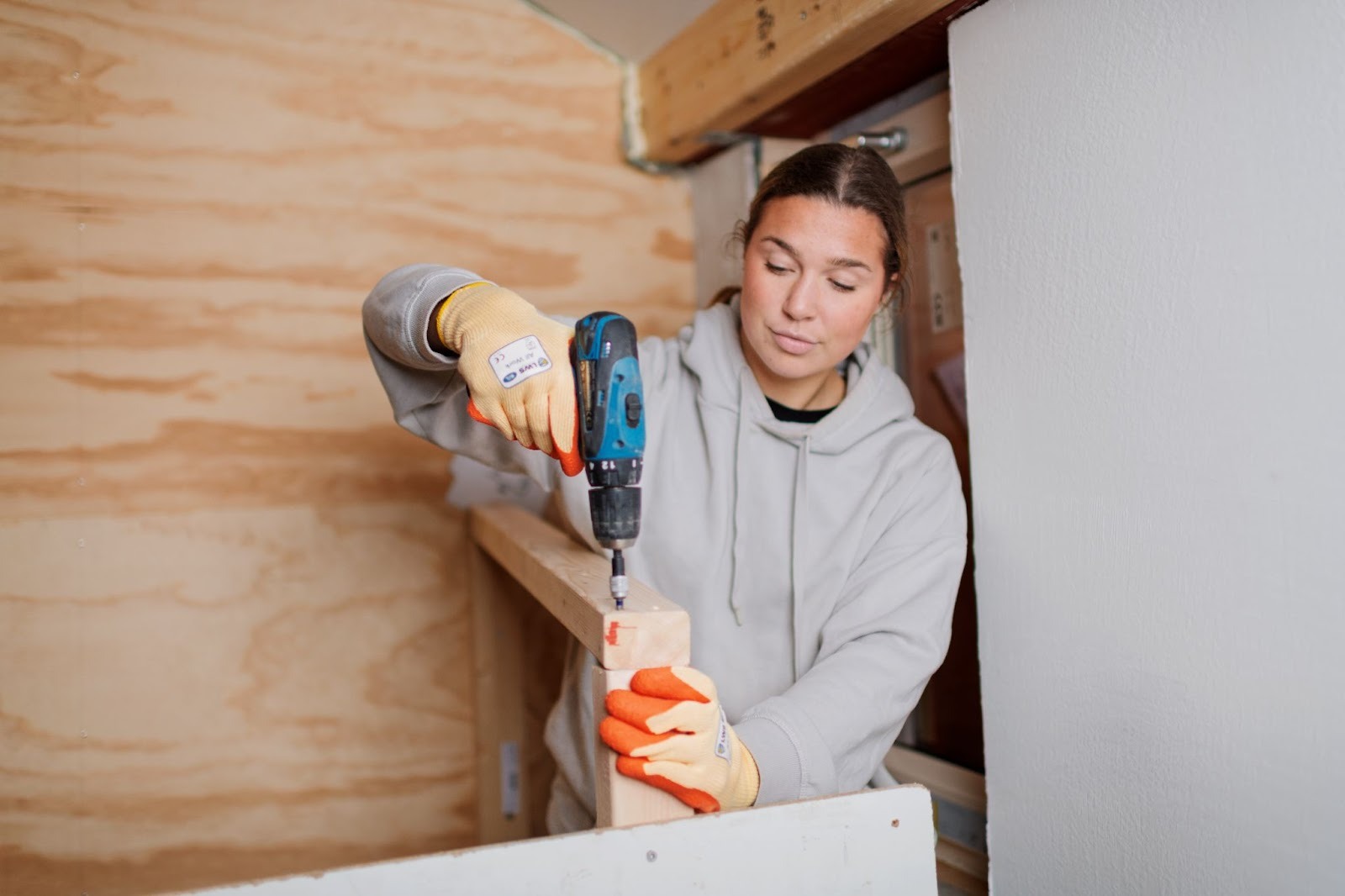
Constant kneeling and repetitive movements can also lead to long-term joint strain if you don't take proactive measures.
- Joint Safety: Use knee pads. Protecting your joints during skirting board installation ensures you can finish the job without chronic pain or inflammation.
- Hand Safety: Use sturdy, cut-resistant gloves when measuring and cutting trims to prevent accidental nicks from saws or utility knives.
- Footwear: Wear sturdy, closed-toe shoes. Dropping a heavy paint tin or a sharp tool is a common accident that is easily mitigated with proper footwear.
Ensure your safety first, then enjoy the transformation. Stay Safe, Do More!