
August 20, 2026
Decoding the Head Protection Aisle: What Shoppers Actually Ask (And How Retailers Should Answer)

For most shoppers, the head protection aisle is confusing. Just like we saw in our guide to simplifying the hearing protection aisle, technical labels like EN 397 or high-density polyethylene specs mean very little when someone simply wants the right gear to keep their head safe on the job.
True category growth doesn't happen at "sell-in" when inventory hits the shelf, it happens at "sell-out." To accelerate inventory turnover and drive average basket size, your packaging and shelf communication must lead with practical human benefits rather than technical jargon.
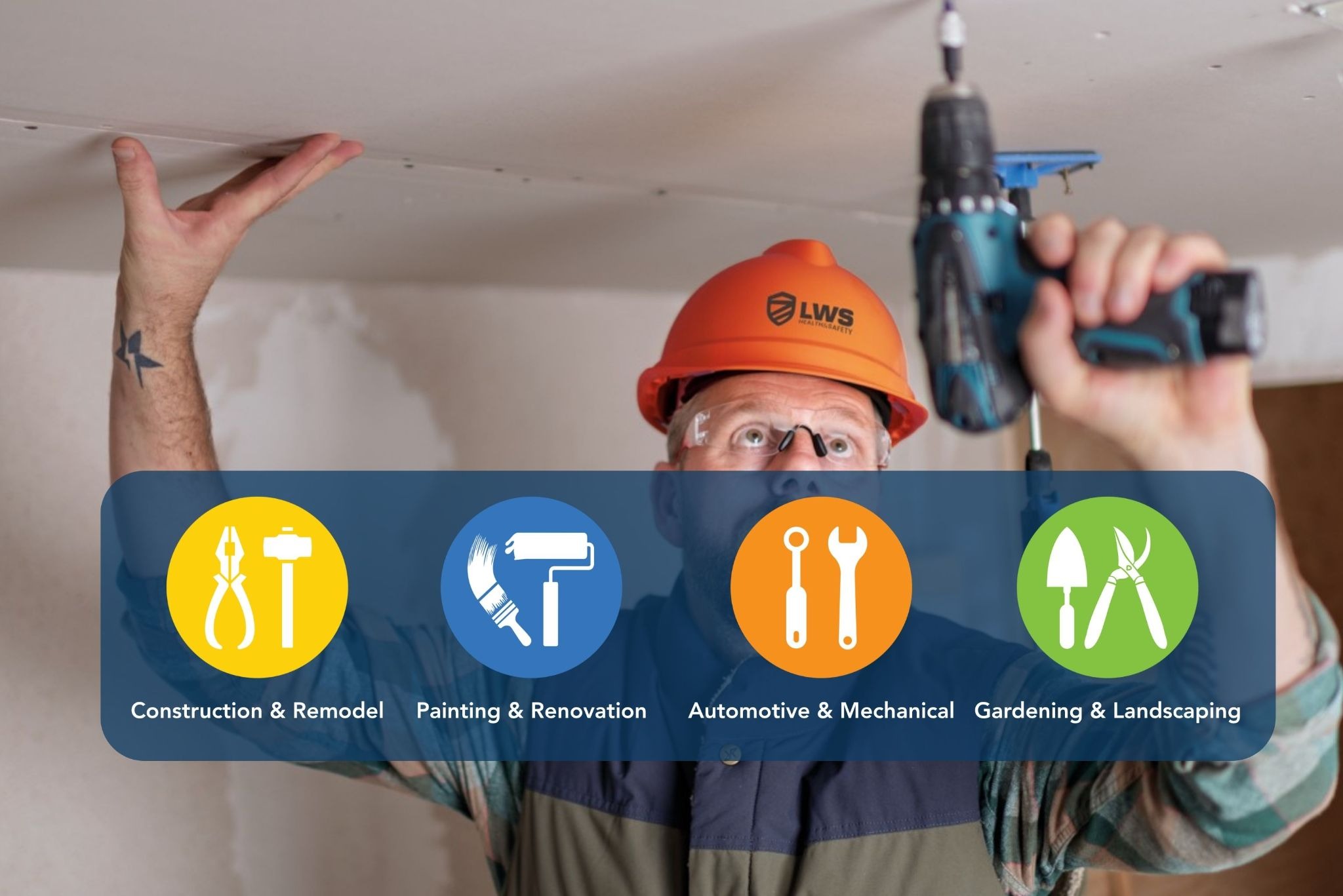
The Jargon Trap vs. The Shopper's Reality
When a customer stands in front of a wall of hard hats and bump caps, their subconscious scans the rack asking three critical questions:
- "Which type of protection do I actually need?" (A standard hard hat for construction, a short-peak helmet for working at heights, or a bump cap for confined indoor spaces?)
- "Will it fall off when I bend over?" (Does it have a secure dial-ratchet suspension or a reliable chinstrap?)
- "Will I overheat wearing this all day?" (Are there active ventilation channels and sweat-wicking bands for comfort?)
If these questions aren't answered immediately on-shelf, shoppers pick the cheapest disposable option or leave without proper protection.
Translating Technical Specs into Buying Confidence
To eliminate friction, replace technical jargon with practical, task-driven guidance right at the shelf-edge:
- Task-Mapped Protection: Clearly distinguish between usage scenarios (e.g., "Heavy Impact Protection for Construction" vs. "Lightweight Bump Caps for Plumbing & Auto Repair").
- Secure Fit Assurance: Highlight practical features like "Easy-Turn Ratchet Adjustment for a Custom, Non-Slip Fit."
- Integration & Comfort: Emphasize cooling vents for long shifts and seamless compatibility with protective safety eyewear and earmuffs.
By replacing technical jargon with clear messaging across your aisle, retailers create a better shopping experience, protect worker safety, and maximize category profitability.
The Takeaway
A well-designed safety aisle educates customers automatically, allowing store staff to simply validate choices with a quick question: "Are you working on an open construction site or doing indoor maintenance in tight spaces?"
Ready to optimize your safety aisle and increase average basket size? Explore the complete LWS Head Protection Range.
Explore More Retail Optimization Guides:
- Hearing Protection: Decoding the Hearing Protection Aisle: What Shoppers Actually Ask
- Eye Protection: Decoding the Eyewear Aisle: What Shoppers Actually Ask
- Hand Protection: Decoding the Glove Aisle: Solving Retail Friction
- Respiratory Safety: Decoding the Respiratory Aisle: What Shoppers Actually Ask (And How Retailers Should Answer)